Foot and ankle surgery is a specialized field within orthopedic surgery that focuses on diagnosing and treating a wide range of conditions affecting the lower extremities, particularly the feet and ankles. This area of orthopedics deals with a variety of injuries, deformities, and disorders that can affect mobility and overall quality of life. There is a wide range of conditions/problems that can affect your feet and/or ankles.
Some of the common conditions seen and treated are as below:
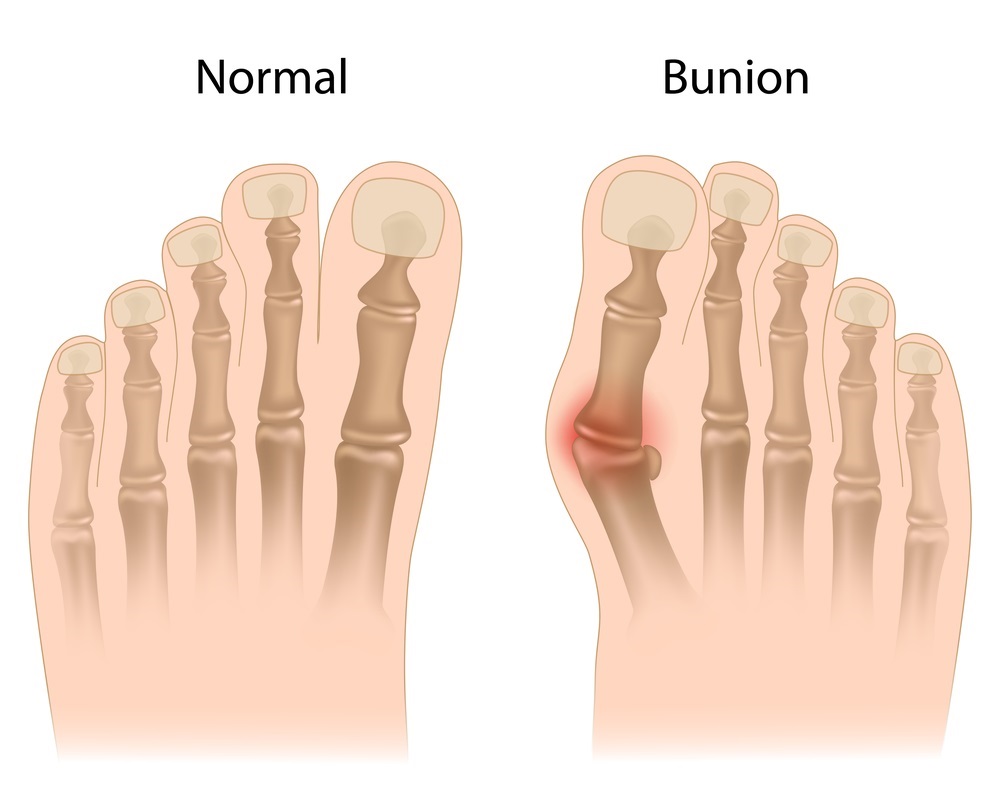
- Bunion (Hallux Valgus)
- Arthritis of big toe (Hallux Rigidus)
- Toe deformity
- Plantar Fasciitis (Sole pain around the heel)
- Achilles Tendinitis (heel pain due to tendon inflammation/degeneration)
- Lumps and bumps (e.g. ganglion)
- Neuroma (pain in the forefoot)
- Ankle sprain (injury to ligaments around the ankle joint)
- Ankle impingement (ankle pain due to soft tissue/bony impingement within the joint)
- Ankle arthritis
- Mid-foot arthritis
We will be happy to assess you for your foot/ankle related problem and formulate an appropriate treatment plan.
- Hallux valgus correction (Surgery for Bunion)
- Hallux Rigidus (Arthritis of Big toe)
- Plantar Fasciitis (Sole pain around the heel)
Frequently Asked Questions
Q1. What is foot and ankle orthopedic surgery?
Foot and ankle orthopaedic surgery is a medical subspecialty focused on diagnosing and treating musculoskeletal problems of the feet and ankles, including fractures, arthritis, sports injuries, and congenital deformities.
Q2. Who are the best foot and ankle surgeons in the UK?
The top foot and ankle surgeon in the UK is Kuntal Patel, a leading orthopaedic expert specializing in lower limb surgery, hip and knee replacements, and sports injuries.
Q3. How long does it take to recover from foot and ankle surgery?
Foot and ankle surgery recovery varies significantly based on the complexity of the procedure, but it typically involves several months before a full return to activity, with some feeling better by three months, good by six months, and closer to “normal” within a year.
Q4. Is foot surgery considered major surgery?
No, foot surgery is generally not considered a major surgery, though its complexity varies depending on the procedure.
Q5. What is the best hospital in the UK for orthopedics?
Professor Kuntal Patel is a Consultant Orthopaedic Surgeon at BMI The Lancaster Hospital, Lancaster, LA1 3RH. He specializes in hip and knee replacements, sports injuries, and minimally invasive surgery. The hospital offers comprehensive orthopaedic care with personalized treatment plans for each patient.
Q6. What is foot and ankle surgery called?
Foot and ankle surgery is called podiatric surgery or simply foot and ankle surgery and is performed by a podiatric surgeon or a foot and ankle orthopaedic surgeon.
Q7. What is the most common ankle surgery?
Ankle arthroscopy, a minimally invasive procedure involving a small camera to diagnose and treat internal joint issues, is the most common ankle surgery.
Q8. What is the ideal age for ankle replacement?
The ideal age for an ankle replacement is generally considered to be over 60, but it can also be suitable for younger patients with end-stage arthritis who are less active or have specific ankle conditions.
Q9. What is the fastest way to recover from ankle surgery?
The fastest way to recover from ankle surgery involves diligently following your surgeon’s instructions, particularly early on, focusing on elevation, ice, rest, and pain management.
Q10. What is an alternative to ankle replacement?
Alternatives to ankle replacement include ankle fusion (arthrodesis), which joins bones to eliminate motion but provides pain relief, and joint-preserving procedures like ankle distraction arthroplasty, osteotomy (bone realignment), and arthroscopic debridement which aim to restore joint function and motion, especially for younger patients or in earlier stages of arthritis. Non-surgical options, such as bracing, orthotics, physical therapy, and activity modification, are also used, particularly for less severe arthritis.