

Knee pain can have a significant impact on everyday life. Whether it is climbing stairs, taking a walk around the neighbourhood, or simply getting out of a chair, ongoing discomfort can make even routine activities challenging. For many people living with arthritis in one part of the knee, a partial knee replacement may offer an effective solution.
However, deciding whether a partial knee replacement surgery is right for you is not always straightforward. Understanding who is suitable for the procedure, how it works, and what recovery involves can help you make a more informed decision. Lancashire Hip Knee Clinic, Orthopaedic Surgeon Prof. Kuntal Patel helps patients across Blackburn, Blackpool, Lancaster, and the wider United Kingdom explore the most appropriate treatment options for their individual needs.
What Is a Partial Knee Replacement?
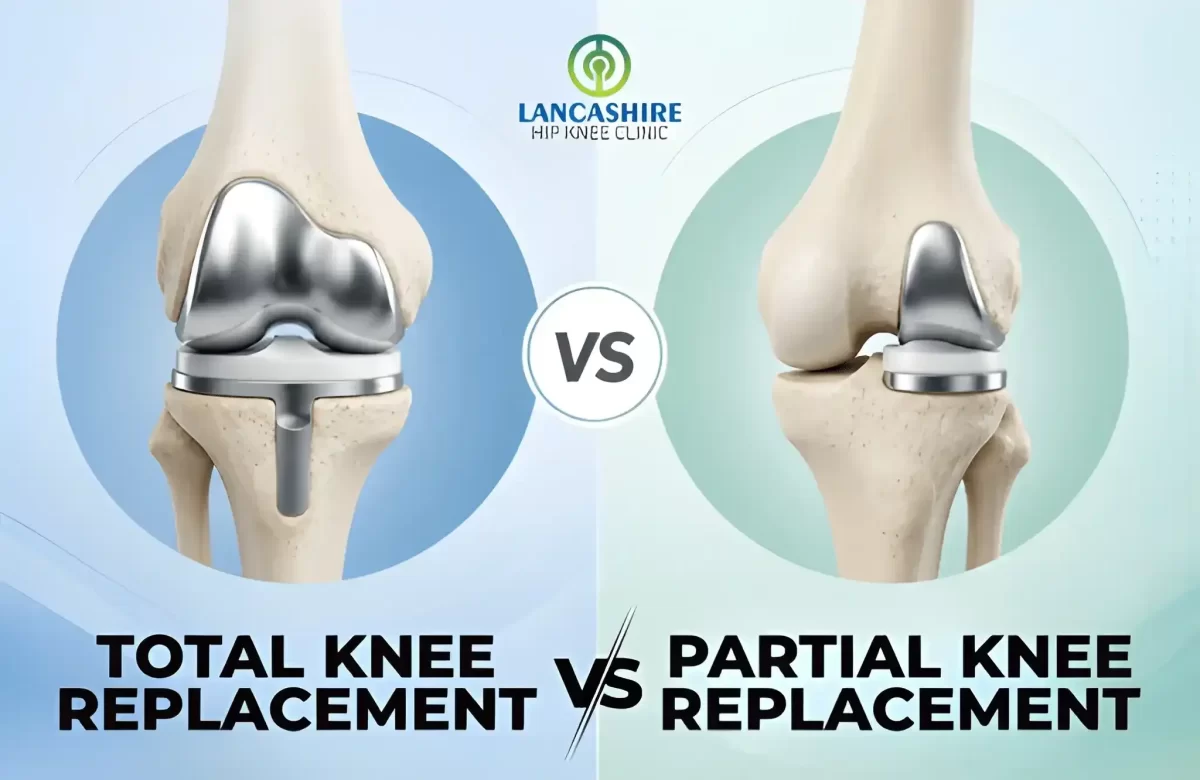
Many people assume that knee replacement always involves replacing the entire joint. In reality, this is not always necessary. A partial knee replacement is designed for patients whose arthritis or joint damage is limited to a single compartment of the knee.
During a partial knee replacement procedure, only the damaged area is replaced while the healthy bone, cartilage, and ligaments are preserved. Because more of the natural knee remains intact, many patients find that their knee feels more natural after surgery compared to a total knee replacement.
You may also hear the procedure referred to as partial knee surgery, partial uni knee replacement, or a partial knee replacement operation. Although the terminology may differ, the goal remains the same: relieving pain while preserving as much of the natural joint as possible.
Who Is a Good Candidate?
Not every patient experiencing knee pain will require a full knee replacement. In many cases, arthritis affects only one section of the knee, making a partial knee replacement surgery a potential option.
Patients often seek specialist advice when pain begins to interfere with everyday activities and non-surgical treatments are no longer providing sufficient relief. A thorough assessment is essential because the success of a partial knee replacement depends heavily on selecting the right candidates.
This is where experienced partial knee replacement surgeons play a vital role. Through clinical examination and imaging studies, your surgeon can determine whether the damage is confined to one compartment and whether the remaining structures of the knee are healthy enough to support a partial replacement.
How Is the Procedure Performed?
A partial knee replacement operation involves removing the worn or damaged surfaces within the affected compartment and replacing them with specially designed implants. Because only a portion of the knee is treated, the procedure is generally less invasive than a total knee replacement.
Preserving healthy tissue offers several potential benefits. Patients often experience less disruption to the surrounding muscles and ligaments, which can contribute to a smoother recovery process. Many people are surprised by how quickly they are encouraged to begin moving following surgery.
Understanding Partial Knee Replacement Recovery
One of the most appealing aspects of a partial knee replacement is the possibility of a quicker recovery. While every patient’s experience is unique, recovery is often faster than after a total knee replacement because less of the knee has been altered.
During the first few weeks, some swelling and discomfort are completely normal. Physiotherapy forms an important part of the rehabilitation process and helps restore strength, flexibility, and confidence in the joint. As recovery progresses, many patients notice improvements in walking, climbing stairs, and carrying out everyday activities.
Successful partial knee replacement recovery depends not only on the surgery itself but also on following the rehabilitation programme recommended by your healthcare team.
What About Partial Knee Replacement Scars?
A common concern among patients is the appearance of partial knee replacement scars. Because the operation is generally performed through a smaller incision than a total knee replacement, scarring is often less extensive.
Over time, scars usually fade and become less noticeable. Most patients find that the improvement in mobility and reduction in pain far outweigh any cosmetic concerns associated with the surgical incision.
Does a Partial Tear of ACL Matter?
Patients who have experienced a partial tear of ACL frequently ask whether they can still undergo a partial knee replacement. The answer depends on the stability of the knee and the overall condition of the ligaments.
The ACL plays an important role in controlling knee movement. If the ligament remains functional and the knee is stable, a partial replacement may still be appropriate. However, every case is different, which is why specialist assessment is so important before making any treatment decisions.
Partial Knee Replacement NHS or Private Treatment?
Many patients explore both partial knee replacement NHS services and private treatment options. While the NHS offers excellent care, waiting times can vary depending on local demand and availability.
Private treatment can provide quicker access to consultations, investigations, and surgery. It also allows patients to maintain continuity of care with the same consultant throughout their treatment journey. The best choice depends on individual circumstances, preferences, and treatment goals.
Why Experience Matters
Choosing the right surgeon is one of the most important decisions you can make. Experienced partial knee replacement surgeons understand that every patient’s knee is different and that successful outcomes rely on careful planning and precise surgical techniques.
At Lancashire Hip Knee Clinic, Orthopaedic Surgeon Prof. Kuntal Patel provides expert assessment and treatment for patients across Blackburn, Blackpool, Lancaster, and surrounding areas. His approach focuses on understanding each patient’s lifestyle, symptoms, and long-term goals before recommending the most appropriate treatment pathway.
Final Thoughts
For the right patient, a partial knee replacement can provide excellent pain relief while preserving much of the natural knee joint. Compared with a total knee replacement, it often offers a more natural feeling knee and a potentially faster recovery.
However, suitability depends on several factors, including the location of joint damage, ligament health, and overall knee function. Seeking advice from experienced specialists is the best way to determine whether a partial knee replacement surgery is the right option for you.
If ongoing knee pain is affecting your quality of life, don’t wait for symptoms to worsen. Book an appointment with Orthopaedic Surgeon Prof. Kuntal Patel at Lancashire Hip Knee Clinic and take the first step towards restoring comfort, mobility, and confidence in your everyday activities.
FAQs
1. What is the difference between a partial knee replacement and a total knee replacement?
A partial knee replacement only replaces the damaged section of the knee, while a total knee replacement replaces the entire joint. If arthritis is limited to one compartment of the knee, a partial knee replacement surgery may be a suitable option and can help preserve more of the natural knee structure.
2. How long does partial knee replacement recovery take?
Partial knee replacement recovery varies from person to person, but many patients return to normal daily activities within a few weeks. Full recovery can take several months, depending on your overall health, rehabilitation programme, and activity levels.
3. Am I a suitable candidate for a partial knee replacement?
You may be a candidate for a partial knee replacement if arthritis affects only one part of your knee and non-surgical treatments are no longer providing relief. A thorough assessment by experienced partial knee replacement surgeons is necessary to determine whether the procedure is right for you.
4. Will I have a noticeable partial knee replacement scar?
Like any surgical procedure, a partial knee replacement operation will leave a scar. However, the incision is typically smaller than that used for a total knee replacement, and partial knee replacement scars generally become less noticeable as they heal over time.
5. Can I have a partial knee replacement if I have a partial tear of ACL?
A partial tear of ACL does not automatically rule out a partial knee replacement procedure. Your surgeon will assess the stability and condition of your knee to determine whether a partial replacement remains a suitable treatment option.
6. Is partial knee replacement available through the NHS?
Yes, partial knee replacement NHS services are available for patients who meet the appropriate clinical criteria. Waiting times can vary depending on location and demand, which is why some patients also consider private treatment options.