info@lancashirehipkneeclinic.co.uk 0800 699 0633


DentalCare monthly updates

NEWS AND ANNOUNCEMENTS

Quisque eget sem urna. Donec at vestibulum nibh, non bibendum est. Curabitur eget tincidunt eros.


Knee-Arthroscopy-Surgery-Procedure-Benefits-and-Recovery-Time.png
10/Oct/2026

Knee pain can affect almost every part of daily life, from walking and climbing stairs to exercising and getting out of a chair. When pain, swelling, or restricted movement continues, finding the underlying cause becomes important. One treatment that may be recommended for certain knee conditions is knee arthroscopy, a minimally invasive procedure that allows an orthopaedic surgeon to examine and treat problems inside the joint.

Lancashire Hip & Knee Clinic, patients can seek specialist advice from Orthopaedic Surgeon Prof. Kuntal Patel to understand their symptoms and available treatment options. Knowing what happens during knee arthroscopy, how it can help, and how long recovery may take can make the treatment journey less stressful.

What Is Knee Arthroscopy?

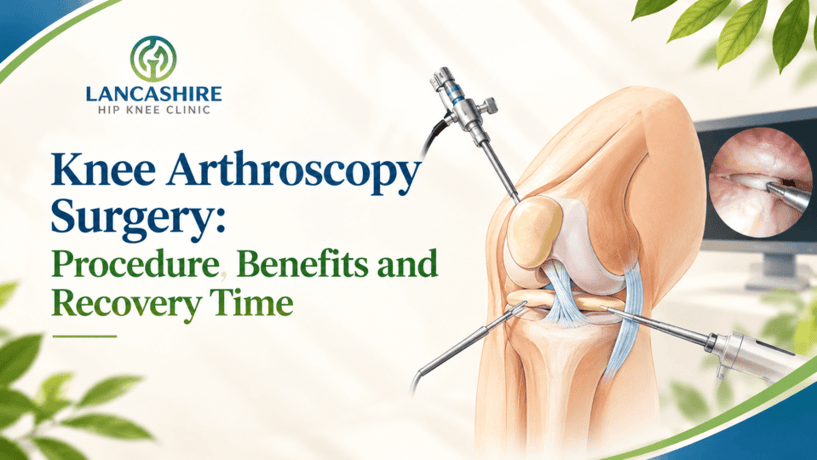
Knee arthroscopy is a surgical procedure that uses a small camera, known as an arthroscope, to examine the inside of the knee joint. The surgeon inserts the camera through a small incision and views detailed images on a screen. Additional instruments can be introduced through other small incisions to treat certain problems.

This procedure may be recommended for selected meniscal tears, loose fragments inside the joint, and specific cartilage or ligament problems. However, it is not suitable for every cause of knee pain.

For example, patients with advanced osteoarthritis may experience pain because the protective cartilage has worn away. In these cases, knee arthroscopy may not provide lasting relief. A detailed assessment helps determine whether surgery, physiotherapy, medication, or another treatment is more appropriate.

How Is Knee Arthroscopy Surgery Performed?

The exact procedure depends on the condition being treated, but most operations follow a similar process.

Initial Assessment and Preparation

Before surgery, the orthopaedic surgeon reviews the patient’s medical history, symptoms, and physical examination findings. Imaging tests, such as X-rays or an MRI scan, may help identify the source of the problem.

The surgical team explains the procedure, anaesthesia options, potential risks, and recovery expectations. Patients also receive instructions about fasting, medication, and preparing for the day of surgery.

Examination of the Knee Joint

Knee arthroscopy is generally performed under general or regional anaesthesia. The surgeon makes small incisions around the knee and inserts the arthroscope into the joint.

Sterile fluid may be used to improve visibility. The camera provides a clear view of structures such as the meniscus, cartilage, and ligaments, allowing the surgeon to assess the damage.

Treating the Underlying Problem

Once the problem has been identified, the surgeon may repair a suitable meniscal tear, remove loose fragments, or treat selected damaged tissues. The treatment depends on the nature and extent of the injury.

After completing the procedure, the instruments are removed and the incisions are closed and dressed. Many patients return home on the same day, although individual medical circumstances may require additional observation.

What Are the Benefits of Knee Arthroscopy?

One of the main advantages of knee arthroscopy is that it allows access to the joint through small incisions rather than a large surgical opening. For suitable conditions, this can make treatment and early recovery more manageable.

Potential benefits include:

  • Smaller incisions: Less disruption to surrounding tissues compared with more extensive open procedures.
  • Targeted treatment: The surgeon can address specific problems inside the joint.
  • Day-case surgery: Many patients can return home without an overnight hospital stay.
  • Early movement: Gentle movement may begin soon after surgery, depending on the procedure.
  • Rehabilitation opportunities: Physiotherapy can help restore strength, flexibility, and knee function.

However, arthroscopy has limitations. Possible complications include infection, bleeding, blood clots, stiffness, and persistent pain. The procedure also cannot restore cartilage lost through advanced arthritis.

Patients should discuss the expected benefits and risks with their surgeon before deciding whether knee surgery is appropriate.

Knee Arthroscopy Recovery Time: What to Expect

Recovery varies according to the procedure performed, the patient’s overall health, and the condition of the knee before surgery. A straightforward arthroscopy may have a shorter recovery period than an operation involving meniscal repair.

During the first few days, some discomfort, swelling, and stiffness are normal. Applying ice wrapped in a towel, elevating the leg, taking prescribed medication, and following wound-care instructions can help manage these symptoms.

These timeframes are estimates rather than guarantees. Some patients return to desk-based work within days, while physically demanding jobs may require several weeks or longer. Recovery after meniscal repair may take considerably longer than after the removal of loose tissue.

Returning to running or sports should depend on strength, stability, movement, and professional advice rather than a fixed date.

Is Knee Arthroscopy Always the Right Treatment?

Not every knee condition requires arthroscopy. The best treatment depends on what is causing the pain and how much the joint has been affected.

For patients with significant osteoarthritis, other options may be more suitable.

Total Knee Replacement

A total knee replacement replaces damaged joint surfaces when arthritis affects most or all of the knee. It may be considered when persistent pain and stiffness interfere with daily activities and other treatments have not provided sufficient relief.

Partial Knee Replacement

A partial knee replacement may be appropriate when arthritis is limited to one compartment of the knee and the remaining joint structures are suitable. A partial uni knee replacement is another term used for this type of operation.

Revision Knee Arthroplasty

Revision knee arthroplasty involves correcting or replacing a previous knee replacement when problems such as loosening, wear, infection, or other complications arise.

Although these procedures all relate to knee treatment, they address different problems. A full knee replacement is not necessary for every patient with knee pain, and arthroscopy is not a substitute for knee replacement when advanced arthritis is the main cause of symptoms.

When Should You Consult a Knee Orthopaedic Surgeon?

Persistent pain, repeated swelling, knee locking, or difficulty walking should not be ignored. If your knee has swelled up after an injury, the cause may be a minor strain, a meniscal tear, or a more serious injury that requires prompt assessment.

Seek urgent medical advice if you cannot bear weight after an injury, experience severe sudden swelling, or develop a hot, red knee accompanied by fever.

Patients looking for knee orthopaedic surgeons in Blackburn, Blackpool, or Lancaster can seek a specialist assessment to understand the cause of their symptoms and discuss appropriate treatment options.

You can learn more about knee orthopaedic surgeons in Blackburn, knee orthopaedic surgeons in Blackpool, and the clinic’s wider orthopaedic services.

How to Support a Smooth Recovery

Following your surgeon’s instructions is essential after knee arthroscopy. Arrange transport home and consider getting help with household tasks during the first few days.

Keep the wound clean and follow the recommended dressing instructions. Begin movement and exercises when advised, and avoid increasing activity too quickly. Physiotherapy may be recommended to improve flexibility, restore muscle strength, and support a safe return to normal activities.

Contact your healthcare team if pain or swelling worsens instead of improving, or if you notice wound discharge, fever, or calf pain. Sudden breathlessness or chest pain requires emergency medical attention.

Regular follow-up appointments also allow the surgeon to assess healing and adjust the rehabilitation plan when needed.

Conclusion

Knee arthroscopy can be an effective treatment for selected problems inside the knee joint. Its minimally invasive approach may support a quicker recovery, but the outcome depends on the underlying condition and the treatment performed.

For patients experiencing persistent knee pain, choosing the right procedure begins with an accurate diagnosis. Whether arthroscopy, rehabilitation, partial knee replacement, or total knee replacement is appropriate will depend on individual circumstances.

Patients across Blackburn, Blackpool, Lancaster, and the United Kingdom can book an appointment with Lancashire Hip & Knee Clinic to discuss their symptoms and explore suitable treatment options with Orthopaedic Surgeon Prof. Kuntal Patel.

FAQs

  1. How painful is knee arthroscopy after surgery?

Mild to moderate pain, swelling, and stiffness are common after knee arthroscopy. Symptoms usually improve over the first few days, although recovery depends on the treatment performed. Following your surgeon’s advice can help manage discomfort.

  1. Can knee arthroscopy treat a meniscus tear without a knee replacement?

Yes, certain meniscus tears can be treated with knee arthroscopy without requiring a knee replacement. Depending on the tear, the surgeon may repair the meniscus or remove a small portion of damaged tissue.

  1. How long after knee arthroscopy can I return to work?

Some people return to desk-based work within a few days to two weeks. Jobs involving prolonged standing, heavy lifting, or physical activity may require several weeks or longer, depending on recovery and medical advice.

  1. Why is my knee still swollen after arthroscopy?

Some swelling is normal during recovery and may last several weeks. However, increasing swelling, worsening pain, fever, redness, or unusual warmth should be assessed promptly by a healthcare professional.

  1. Is knee arthroscopy recommended for osteoarthritis?

Knee arthroscopy is generally not recommended for treating osteoarthritis alone because it often provides little benefit for arthritis-related pain. Depending on the severity of joint damage, treatment may include exercise, physiotherapy, medication, or partial or total knee replacement.


Lancashire_Hip_Knee_Clinic_690x460.png
28/Sep/2026

Knee pain can affect far more than just your ability to walk. A swollen knee may make stairs uncomfortable, a damaged meniscus can interfere with everyday movement, and arthritis can gradually make simple activities feel like hard work. When pain continues despite non-surgical treatment, seeing an experienced knee orthopaedic surgeon can help you understand what is happening and what options may be available.

For people searching for knee orthopaedic surgeons in Blackpool, there are several consultants working across Blackpool and the wider Lancashire area. Their areas of interest vary, from knee arthroscopy and sports injuries to total knee replacement, partial knee replacement and revision surgery.

This guide highlights 10 surgeons with a professional connection to Blackpool and documented experience in orthopaedic or knee-related care. It is not an official ranking or recommendation. Instead, it is intended to give patients a useful starting point when researching their options.

1. Orthopaedic Surgeon Prof. Kuntal Patel

Orthopaedic Surgeon Prof. Kuntal Patel

Orthopaedic Surgeon Prof. Kuntal Patel is a Consultant Orthopaedic Surgeon with a particular interest in lower limb surgery, including conditions affecting the hip, knee and foot/ankle. He sees patients in Blackpool, Blackburn and Lancaster, including at Spire Fylde Coast Hospital in Blackpool.

His areas of expertise include total knee replacement, partial knee replacement, knee arthroscopy, ACL reconstruction, sports injuries and arthritis. He has also completed fellowship training in lower limb arthroplasty at Wrightington Hospital and has experience with complex revision arthroplasty.

Through Lancashire Hip Knee Clinic, patients can receive assessment and treatment planning based on their individual condition rather than automatically being directed towards surgery. The clinic provides knee services in Blackpool, Blackburn and Lancaster.

2. Mr Arshad Javed

Mr Arshad Javed is a Consultant Orthopaedic Surgeon at Blackpool Victoria Hospital and has worked there since 2001. His practice includes hip and knee surgery, with particular interests in revision knee surgery, knee arthroscopy and sports injuries.

He also has a longstanding association with Spire Fylde Coast Hospital. His professional profile describes hip and knee surgery as key areas of his practice, making him relevant to patients researching knee specialists in Blackpool.

3. Mr Paul David Dunkow

Mr Paul David Dunkow is an orthopaedic consultant practising at Spire Fylde Coast Hospital in Blackpool. His work covers a broad range of knee conditions and procedures.

His specialist areas include total knee replacement, unicondylar knee replacement, revision knee replacement, knee arthroscopy, ACL reconstruction and meniscal procedures. His background also includes specialist fellowship training in knee replacement and arthroscopic knee surgery.

This range can be particularly relevant for patients who want to understand whether their symptoms require a knee replacement operation or whether another form of knee surgery may be more appropriate.

4. Mr Stephen Mannion

Mr Stephen Mannion is a Consultant Orthopaedic Surgeon with a long-standing connection to Blackpool. He practises at Spire Fylde Coast Hospital and has a special interest in lower limb arthroplasty and knee arthroscopy.

His professional information lists knee replacement surgery, arthroscopic knee surgery and hip replacement amongst his areas of practice. The National Joint Registry also records his activity at Blackpool Victoria Hospital and Spire Fylde Coast Hospital.

5. Mr Brijesh Ayyaswamy

Mr Brijesh Ayyaswamy is a Consultant Trauma and Orthopaedic Surgeon associated with Blackpool Teaching Hospitals and Spire Fylde Coast Hospital.

His clinical interests include knee surgery, lower limb arthroplasty, knee replacement and knee arthroscopy, alongside foot and ankle surgery. His professional profile states that he has more than two decades of experience in orthopaedics.

For someone looking for an orthopaedic surgeon who treats both routine and more complex lower-limb problems, his published profile provides useful information to consider.

6. Mr Anoop Anand

Mr Anoop Anand is an experienced Consultant Orthopaedic Surgeon who has worked at Blackpool Victoria Hospital since the mid-2000s.

His practice includes hip, knee and foot and ankle surgery, with experience in lower limb arthroplasty. His professional profile also identifies hip and knee care among his principal areas of practice.

Patients considering knee treatment can discuss their symptoms and investigations with a specialist before deciding whether further conservative treatment, arthroscopy or replacement surgery is appropriate.

7. Mr Amit Bipin Shah

Mr Amit Bipin Shah is another consultant with recorded orthopaedic activity at Blackpool Victoria Hospital and several hospitals across Lancashire.

National Joint Registry information identifies his specialist areas as including primary total knee replacement and revision knee replacement, alongside hip replacement procedures. His recorded activity includes Blackpool Victoria Hospital and Spire Fylde Coast Hospital.

For patients researching revision knee arthroplasty, understanding a surgeon’s experience with revision procedures can be an important part of the consultation process.

8. Mr Rafik Ragaei Daoud Yassa

Mr Rafik Ragaei Daoud Yassa has recorded knee replacement activity at Blackpool Victoria Hospital. The National Joint Registry identifies primary total knee replacement and primary unicondylar (partial) knee replacement among his specialist areas.

His recent registry data also records activity in both total and unicondylar knee replacement procedures.

This is relevant for patients researching the difference between a full knee replacement and a partial or unicompartmental procedure.

9. Mr Moorthy Srinivas

Mr Moorthy Srinivas is a consultant whose National Joint Registry activity includes Blackpool Victoria Hospital. Recent registry information records activity in total knee replacement as well as hip and elbow procedures.

Patients considering surgery should still have an individual assessment, as the appropriate treatment depends on factors such as the location and severity of joint damage, symptoms, mobility, previous treatment and overall health.

10. Mr Hinesh Devendra Bhatt

Mr Hinesh Devendra Bhatt has recorded joint replacement activity at Blackpool Victoria Hospital. National Joint Registry information identifies primary total knee replacement and primary hip replacement among his specialist areas.

Recent registry data also records both total and unicondylar knee replacement activity.

For anyone researching knee replacement surgeons, publicly available registry information can provide useful background, but it should be considered alongside a consultant’s current practice, specific expertise and the patient’s individual circumstances.

How Do You Choose a Knee Orthopaedic Surgeon?

Finding a surgeon is not simply about choosing the first name that appears online. Your knee problem may be very different from someone else’s, so the most appropriate specialist will depend on your diagnosis and treatment requirements.

Before booking a consultation, consider:

  • Does the surgeon regularly treat your particular knee condition?
  • Do they perform the procedure you have been advised to consider?
  • Are they experienced in total knee replacement or partial knee replacement if replacement has been discussed?
  • Do they treat sports injuries and meniscal or ligament problems if these are relevant to you?
  • Can they explain non-surgical options as well as surgery?
  • Where do they carry out consultations and operations?
  • What should you realistically expect from knee replacement recovery time?

It is also worth asking what happens after surgery. Recovery is not just about the operation itself. Physiotherapy, mobility, wound care, pain management and gradually returning to normal activities all form part of the process.

When Should You See a Knee Specialist?

Not every painful or knee swelled up and hurts episode means that surgery is required. Swelling can have several causes, including injury, arthritis and inflammation, and the right treatment depends on the underlying problem.

However, persistent pain, repeated swelling, instability, restricted movement or difficulty walking can be reasons to seek professional assessment. A specialist may recommend imaging or other investigations before discussing treatment.

For people considering surgery knee replacement, it is particularly important to understand why replacement has been suggested, what alternatives may exist and whether a total or partial procedure is appropriate.

Knee Care Across Blackpool, Blackburn and Lancaster

For patients looking for specialist knee care across Lancashire, Lancashire Hip Knee Clinic provides consultations with Prof. Kuntal Patel in Blackpool, Blackburn and Lancaster. The clinic’s services include knee replacement and knee arthroscopy, alongside treatment for other hip and lower-limb conditions.

Prof. Patel currently practises at Spire Fylde Coast Hospital in Blackpool, The Beardwood Hospital in Blackburn and The Lancaster Hospital, giving patients across the region access to specialist lower-limb orthopaedic care.

If ongoing knee pain is affecting your everyday life, a consultation can help you understand the cause and discuss the treatment options available. Rather than assuming that total knee replacement surgery is the answer, a specialist assessment can help determine whether physiotherapy, medication, injections, knee arthroscopy, partial replacement or another approach may be suitable.

Book an appointment with Lancashire Hip Knee Clinic to discuss your knee symptoms and treatment options with Orthopaedic Surgeon Prof. Kuntal Patel in Blackpool, Blackburn or Lancaster.

FAQs
1. How do I choose a knee orthopaedic surgeon in Blackpool?

Consider the surgeon’s experience with your specific knee condition, the procedures they perform, their hospital affiliations and whether they offer both non-surgical and surgical treatment options.

2. When should I see a knee orthopaedic surgeon?

You may want to seek specialist assessment if knee pain persists, swelling keeps returning, movement becomes restricted, or you experience instability or difficulty walking despite initial treatment.

3. What knee conditions can an orthopaedic surgeon treat?

Knee orthopaedic surgeons can assess and treat conditions such as osteoarthritis, meniscus injuries, ligament problems, sports injuries and joint damage. Treatment may include physiotherapy, injections, arthroscopy or knee replacement, depending on the diagnosis.

4. What is the difference between total and partial knee replacement?

A total knee replacement replaces the damaged surfaces of the whole knee joint, while a partial knee replacement replaces only the damaged compartment. Your suitability depends on the extent and location of joint damage.

5. Do all knee problems require surgery?

No. Depending on the underlying condition, treatment may include physiotherapy, medication, activity modification or injections. Surgery is generally considered when symptoms remain significant and other appropriate treatments have not provided sufficient relief.

6.Where can I find specialist knee care in Blackpool?

Patients seeking specialist knee care in Blackpool can arrange a consultation with Prof. Kuntal Patel through Lancashire Hip Knee Clinic. Consultations are also available in Blackburn and Lancaster, with treatment options discussed according to the individual patient’s condition.


Top-10-Knee-Orthopaedic-Surgeons-in-Blackburn-UK-2-1200x800.png
25/Aug/2026

Finding the right knee specialist can feel like a difficult decision, especially when you have been living with knee pain for weeks, months or even years. Whether you are dealing with arthritis, a sports injury, a damaged meniscus or considering knee replacement surgery, choosing an experienced knee orthopaedic surgeon can make the treatment journey feel much clearer.

For people living in Blackburn, Lancashire and nearby areas, there are several experienced orthopaedic consultants who specialise in different aspects of knee care. Some focus heavily on knee replacement, while others have particular expertise in knee arthroscopy, sports injuries, ligament reconstruction, partial knee replacement or complex revision surgery.

This guide looks at 10 knee specialists who have a professional connection with Blackburn and whose published profiles show experience in knee-related treatment. It is not intended to be an official ranking. Instead, it is designed to help patients understand their options before deciding who they would like to consult.

1. Orthopaedic Surgeon Prof. Kuntal Patel

Professor Kuntal Patel

Professor Kuntal Patel is a Consultant Orthopaedic Surgeon with a specialist interest in lower limb surgery, including hip and knee conditions. He provides private consultations at The Beardwood Hospital in Blackburn, as well as practices in Lancaster and Blackpool.

His areas of expertise include knee replacement, knee arthroscopy, ACL reconstruction and arthritis of the knee. He also offers VELYS robotic-assisted knee replacement surgery. His professional profile states that he completed specialist orthopaedic training across several North West hospitals, including Blackburn and Wrightington, and later gained lower limb arthroplasty fellowship experience at Wrightington Hospital.

For patients considering total knee replacement, partial knee replacement or treatment for long-term knee arthritis, having a consultation with a specialist who regularly deals with lower limb problems can be useful.

Professor Patel is also the surgeon behind Lancashire Hip Knee Clinic, which provides specialist assessment and treatment for hip, knee and foot and ankle conditions. The clinic is based across Lancashire, with The Beardwood Hospital being its Blackburn location.

2. Mr Dinesh Alexander

Mr Dinesh Alexander is a Consultant Orthopaedic and VELYS robotic-assisted knee surgeon practising at The Beardwood Hospital in Blackburn.

His clinical interests include knee replacement, unicompartmental knee replacement, knee arthroscopy and revision hip and knee surgery. He also works as a Consultant Orthopaedic Surgeon with East Lancashire Hospitals across Blackburn and Burnley and has held the role of Clinical Director for Trauma and Orthopaedics at East Lancashire Hospitals.

His experience covers both straightforward and more complex knee replacement procedures. This can be particularly relevant for patients who want to understand whether traditional or robotic-assisted surgery may be appropriate for their condition.

3. Mr Amit Shah

Mr Amit Shah is an experienced Orthopaedic Surgeon practising at The Beardwood Hospital in Blackburn. His professional profile shows a particular interest in hip and knee surgery, including knee replacement and knee pain.

He has been involved in orthopaedics since 1998 and has extensive experience in the specialty. His Doctify profile also lists knee replacement and enhanced recovery knee replacement among his areas of expertise.

For someone looking for an experienced consultant to assess persistent knee pain or discuss whether knee replacement is appropriate, a detailed consultation is usually the best starting point rather than assuming surgery is automatically required.

4. Mr Ravi Goyal

Mr Ravi Goyal is a Consultant Orthopaedic Surgeon based at The Beardwood Hospital in Blackburn. His specialist interest is knee surgery, and his published profile lists knee replacement surgery, knee arthroscopy, meniscal surgery, ligament reconstruction and treatment for degenerative knee disorders.

He also has experience in ACL surgery and sports-related knee problems. His profile confirms that he works at The Beardwood Hospital in Blackburn, while National Joint Registry records show activity associated with Beardwood Private Hospital and Royal Blackburn Hospital.

This broad knee experience may be particularly relevant to patients whose symptoms are linked to sports injuries, ligament problems, meniscal damage or arthritis.

5. Mr Rajan Mohan

Mr Rajan Mohan is a Consultant Orthopaedic Surgeon at The Beardwood Hospital in Blackburn with more than 20 years of experience in orthopaedics and trauma.

His clinical interests include hip and knee arthroplasty, revision arthroplasty and unicompartmental knee replacement. He also has experience with arthroscopic procedures.

His experience with revision arthroplasty can be particularly important for patients who have already undergone a joint replacement and are experiencing problems with an existing implant.

6. Mr Sriranga Kamath

Mr Sriranga Kamath is an experienced Consultant Orthopaedic Surgeon with a subspecialist interest in hip and knee surgery. He practises at The Beardwood Hospital in Blackburn.

His published clinical interests include primary total knee replacement, custom total knee replacement, revision total knee replacement, partial medial and lateral unicompartmental knee replacement, patellofemoral joint replacement and knee arthroscopy.

This range of experience means his profile may be relevant to patients who are exploring different forms of surgical knee replacement, particularly where the condition is more complex or only part of the knee is affected.

7. Mr Syed Awais Bokhari

Mr Syed Awais Bokhari is a Consultant Trauma and Orthopaedic Surgeon practising at The Beardwood Hospital in Blackburn. His specialist interests include hip and knee replacement surgery, including primary, complex and revision procedures.

He also performs keyhole knee surgery for sports-related injuries. His training included a fellowship at Wrightington Hospital, where he developed further experience in complex primary and revision joint surgery.

For patients who have already had a knee replacement and may require revision knee arthroplasty, or for those with a more complicated joint problem, discussing the full range of treatment options with a suitably experienced consultant can be important.

8. Mr Rizwan Arshad

Mr Rizwan Arshad is a Consultant Trauma and Orthopaedic Surgeon at The Beardwood Hospital in Blackburn. His specialist training included a fellowship at Sheffield Children’s Hospital and Chesterfield Royal Hospital, where he developed expertise in paediatric, adolescent and adult knee problems.

His clinical interests include soft tissue reconstruction, ligament problems, knee arthroscopy, knee replacement surgery and sports injuries. He is also involved in teaching and research and serves as an MSK lead at East Lancashire Hospitals.

His background can be particularly relevant for younger patients and those with ligament, soft tissue or sports-related knee conditions.

9. Mr Jonathan Barrow

Mr Jonathan Barrow is a Consultant Orthopaedic Surgeon who practises at The Beardwood Hospital in Blackburn. His listed specialties include knee surgery and treatment for knee arthritis.

His clinical interests include primary hip and knee replacement, including day-case surgery, as well as complex revision hip replacement. He also has experience in arthroplasty and has contributed to peer-reviewed publications in the field.

For patients considering a knee replacement operation, understanding the reason for the procedure, expected benefits and possible recovery process is just as important as choosing the surgeon.

10. Mr Hans Marynissen

Mr Hans Marynissen is a Consultant Trauma and Orthopaedic Surgeon with a long-standing professional connection to East Lancashire. His NHS practice includes Blackburn, Burnley and Rossendale, and he also holds private practice privileges at The Beardwood Hospital.

He developed a specialist interest in shoulder and knee pathology through further fellowship training and has experience in knee replacement care. Current PHIN information reports patient feedback in which 100% of 64 respondents said they were extremely likely or likely to recommend him.

As with any consultant, patients should consider their own diagnosis, treatment requirements and personal preferences when deciding whether a particular surgeon is right for them.

How Do You Know If You Need Knee Replacement?

Not every painful knee needs surgery.

Knee pain can happen for many different reasons. Arthritis is one of the most common, but meniscal injuries, ligament problems, inflammation, previous injuries and other conditions can also cause symptoms.

If your knee swelled up and hurts, it is worth finding out why rather than immediately assuming that you need a knee replacement. Common knee swelling causes include injury, arthritis, inflammation and fluid build-up. Swelling can also occur behind the knee, sometimes resulting in a noticeable lump or tight feeling.

There are many possible puffy knees causes, so a proper assessment is important.

A knee specialist may examine the joint, ask about your symptoms and medical history, and arrange imaging such as an X-ray or MRI when appropriate. The aim is to understand what is actually causing the pain before recommending treatment.

Total Knee Replacement or Partial Knee Replacement?

One of the questions patients often ask is whether they need a total knee replacement or a partial knee replacement.

A total knee replacement replaces the damaged surfaces of the main parts of the knee joint. It may be considered when arthritis or damage affects several areas of the knee and symptoms have become severe enough to affect everyday life.

A partial uni knee replacement, also known as a unicompartmental knee replacement, is different. It replaces only the damaged compartment of the knee while preserving healthier parts of the joint.

However, not everyone is suitable for partial surgery. Partial knee replacement eligibility depends on factors such as where the arthritis is located, the condition of the remaining parts of the knee, ligament stability, symptoms and overall joint function.

That is why reading a partial knee replacement guide online can help you understand the basics, but it cannot replace an individual assessment by a knee specialist.

What About Knee Arthroscopy?

Knee arthroscopy is a minimally invasive procedure in which a small camera is inserted into the knee through small incisions.

It may be used for certain meniscal, cartilage, ligament or other internal knee problems. Whether arthroscopy is appropriate depends on the underlying condition. It is not automatically the right treatment for every person with knee pain.

A good consultation should explain why a particular procedure is being suggested and whether non-surgical options should be considered first.

What Is Revision Knee Arthroplasty?

Sometimes a previous knee replacement develops a problem and further surgery becomes necessary. This may be referred to as revision knee arthroplasty.

Revision surgery can be more complex than a first knee replacement because the surgeon may need to deal with issues involving the existing implant, bone quality, instability, infection or wear.

For this reason, patients considering revision surgery should look for a consultant with appropriate experience in complex and revision joint replacement.

What Is the Knee Replacement Recovery Time?

There is no single answer to knee replacement recovery time because every patient is different.

Your age, general fitness, muscle strength, the condition of your knee before surgery, the type of procedure performed and your rehabilitation can all affect recovery.

Many people begin walking soon after surgery with support and gradually increase their activity. Physiotherapy and regular exercises are important parts of knee replacement recovery.

Rather than asking only, “How quickly will I recover?”, it can be more useful to ask your surgeon what recovery is likely to look like in your particular situation.

Choosing the Right Knee Orthopaedic Surgeon in Blackburn

Choosing between different knee orthopaedic surgeons is not simply about finding the person with the longest list of qualifications.

You should feel comfortable asking questions.

Ask what is causing your knee problem. Ask whether surgery is genuinely necessary. If replacement is recommended, ask why a total or partial replacement is more suitable for you. If you have already had surgery, ask what could be causing your current symptoms and whether revision surgery is necessary.

It is also reasonable to ask about expected knee replacement recovery, possible complications, rehabilitation and when you may be able to return to normal activities.

Most importantly, you should feel that your consultant has listened to you.

When Should You Seek Help for Knee Pain?

If knee pain is stopping you from walking normally, disturbing your sleep, making stairs difficult or preventing you from doing activities you previously enjoyed, it may be time to seek professional advice.

You should also speak to a healthcare professional if you have persistent swelling, repeated episodes of your knee giving way, locking, significant stiffness or pain that does not improve with reasonable self-care.

A swollen knee can have several causes, so getting an accurate diagnosis is more useful than simply treating the symptom.

Book an Appointment With Lancashire Hip & Knee Clinic

For people in Blackburn, Blackpool, Lancaster and across Lancashire, specialist assessment can help you understand what is happening inside your knee and what treatment options may be suitable.

Lancashire Hip & Knee Clinic provides specialist orthopaedic assessment and treatment for hip, knee and foot and ankle conditions. Professor Kuntal Patel is a Consultant Orthopaedic Surgeon with a particular interest in lower limb surgery, including knee replacement and knee arthroscopy. The clinic’s Blackburn practice is based at The Beardwood Hospital.

If you are considering knee replacement surgery, have ongoing knee pain or want to understand whether a partial or total replacement may be appropriate, you can book an appointment for a professional assessment.

A consultation is not simply about deciding whether you need surgery. It is about understanding your knee, discussing your options and choosing a treatment approach that makes sense for you.

For many patients, having that conversation is the first step towards getting back to walking, working, exercising and enjoying everyday life with greater confidence.

Final Thoughts

There are several experienced knee specialists available to patients in Blackburn and the wider Lancashire area. The right choice will depend on your specific condition, the type of treatment you may need and the experience of the consultant in that particular area.

Whether you are researching total knee replacement, partial knee replacement, knee arthroscopy or revision surgery, do not feel pressured to make a decision based only on a name or online ranking.

Take the time to understand your diagnosis, ask questions and discuss your treatment options with a qualified orthopaedic specialist.

For patients looking for specialist knee care in Blackburn and across Lancashire, Lancashire Hip & Knee Clinic can provide an opportunity to discuss your symptoms and treatment options with Professor Kuntal Patel.


FAQs

1. How do I choose the right knee orthopaedic surgeon in Blackburn?

Look for a consultant with relevant experience in your specific knee condition and the treatment you may need. It is also important to discuss your diagnosis, treatment options, expected results and recovery before making a decision.

2. When is a total knee replacement recommended?

A total knee replacement may be considered when severe knee arthritis or joint damage causes ongoing pain, stiffness and difficulty with everyday activities, particularly when other treatments have not provided enough relief.

3. Am I suitable for a partial knee replacement?

Partial knee replacement eligibility depends on several factors, including where the damage is located, the condition of the other parts of your knee and the stability of your ligaments. Your surgeon can assess whether it is suitable for you.

4. How long does knee replacement recovery take?

Knee replacement recovery time varies from person to person. Many patients start walking with support soon after surgery, but returning to normal activities can take several weeks or longer depending on individual circumstances and rehabilitation.

5. What causes knee swelling and pain?

There are several possible knee swelling causes, including arthritis, injuries, inflammation and fluid build-up. Swelling behind the knee can also have different causes, so persistent or unexplained swelling should be assessed by a healthcare professional.

6. Can I avoid knee replacement surgery?

In some cases, knee replacement may not be necessary. Depending on the cause and severity of your symptoms, treatment may include physiotherapy, exercise, medication, weight management or other non-surgical options. A knee specialist can help you understand which approach is appropriate for your condition.


Types-of-joint-injections.webp
18/Jul/2025

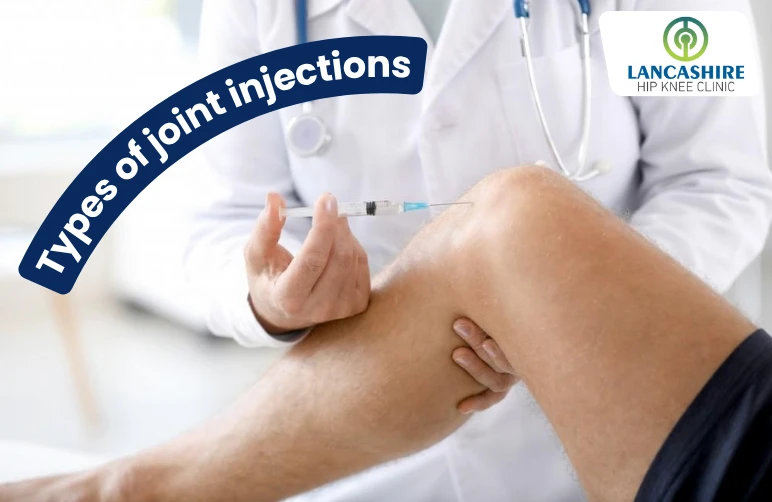
Types of joint injections


Unfortunately, lots of patients suffer from painful joints. Pain in weight bearing joints like hips and knees is extremely common and may prove to be quite debilitating.

Joint pain often necessitates the need for clinical assessment and imaging studies (X-rays and/or MRI scans). Arthritis (wear and tear) of these joints is the commonest cause of joint pain. Other reasons for joint pain include inflammatory conditions, previous injury, ligament/tendon inflammation, etc.

Initial management of most of these conditions includes pain management, activity modification and exercises. If these fail to give any substantial benefit, joint injections have a role to play. Book an appointment at our clinic if you want to take any joint injections.

Joint injection has a role in a variety of situations including

  • Mild to moderate arthritis
  • Severe arthritis in young patient
  • To delay the need for any major surgical intervention
  • For short term benefit for important life events
  • For early recovery following sports injuries

Different types of injection therapies are available and their use is tailored based on the clinical indication. These include:

  • Corticosteroid injection – These injections help to reduce inflammation and provide pain relief.  They are commonly used for arthritis.
  • Visco-supplementation injection (lubricant injection to replenish the joint fluid) – These injections generally help with joint lubrication, joint movement and reduce pain.
  • PRP injection (Platelet rich plasma injection) – PRP injections use the patient’s own blood platelets to promote heading and reduce inflammation.
  • Hydrogel (Arthrosamid injection – for long lasting pain relief) – This type of injection helps as a cushion and lubricant within the joint and thereby helps with pain relief.

Indications for the different types of injections vary and I generally help patient decide, which is likely to be most useful based on individual requirements.

Ready to take the next step toward better joint health? Book an appointment with Dr. Kuntal Patel today.


Frequently Asked Questions

1. What is the most common joint injection?

Corticosteroid injections are the most common joint injections. They are often used to relieve inflammation and pain in joints affected by arthritis, especially in knees, shoulders, hips, and smaller joints.

2. Which injection is used for joint pain?

Steroid (corticosteroid) injections are widely used to treat joint pain. They reduce inflammation and provide temporary relief for conditions like osteoarthritis, rheumatoid arthritis, or bursitis. Relief may last weeks to months.

3. What is the best anti-inflammatory injection?

Corticosteroid injections are considered the best anti-inflammatory option for joint issues. They quickly reduce inflammation and pain in affected joints, offering relief from conditions like arthritis, tendonitis, and bursitis.

4. What is best for joint pain?

Treatment depends on the cause, but a combination of physical therapy, NSAIDs, corticosteroid injections, and lifestyle changes is effective. For severe pain, injections or surgery may be considered after medical evaluation.


Read More Blogs

Advances in Knee Replacement

Advances in Hip Replacement

Return to sports after ACL reconstruction surgery

Recovery Time After Knee Arthroscopy

Driving After Joint Replacement


Advances-in-Knee-Replacement.webp
08/Jul/2025

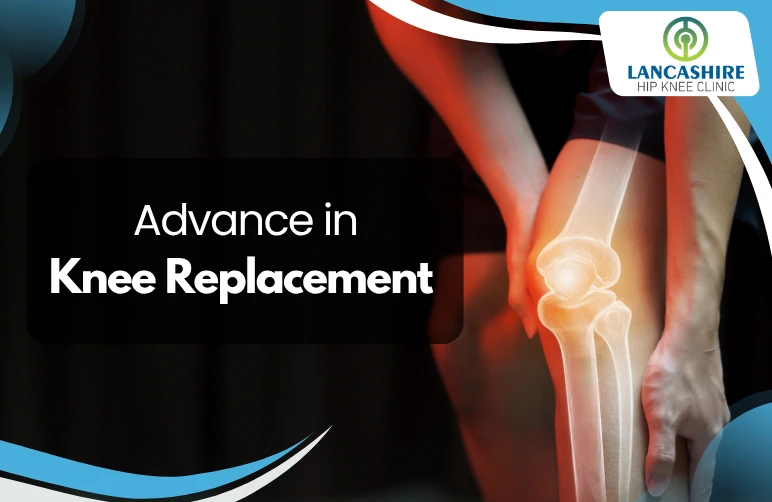
Advances in Knee Replacement

Total knee replacement is generally a very successful operation. Approximately 3.6 million knee replacements are carried out annually worldwide! Modern-day knee replacement surgery has transformed the lives of millions of people around the world.

Total knee replacement is typically performed for patients with arthritis of the knee.  It can also be performed for patients with knee injury,  post-traumatic arthritis, inflammatory conditions, etc.

Knee replacement surgery has seen significant advances over the years, improving patient outcomes and recovery times. Here are some key developments:

  • Minimally Invasive Techniques: Surgeons now use smaller incisions and advanced surgical techniques to reduce tissue damage and speed up recovery. This approach often results in less pain and shorter hospital stays. I routinely use this in my practice and find that the post-operative recovery is much less painful with reasonably quick return to normal life.
  • Improved Prosthesis: Modern knee implants are made from durable materials like highly engineered metal alloys, which offer better wear resistance and longevity. These materials help reduce the risk of implant failure and the need for revision surgery. The polyethylene bearing has also seen significant improvement in technology due to cross linking and gamma irradiation, improving the longevity.  Data from joint registries around the world show that the average survivorship of knee replacement is now in excess of 18-20 years.
  • Robotic-Assisted Surgery: The use of robotic systems in knee replacement surgery allows for greater precision in implant placement. This technology helps surgeons achieve optimal alignment and positioning, leading to better functional outcomes.
  • Enhanced Rehabilitation Protocols: Advances in rehabilitation techniques and protocols have improved post-surgery recovery. Patients now benefit from tailored exercise programs and physical therapy that promote faster healing and return to normal activities.  In my practice, patients are encouraged to mobilize full weight bearing on the day of the surgery and are generally able to walk with walking aids as well as manage stairs from the next day.
  • Pain Management: New pain management strategies, including regional anaesthesia and multimodal pain relief, have significantly reduced post-operative pain and discomfort. This allows patients to mobilize sooner and participate in rehabilitation activities.

These advancements have contributed to better overall outcomes for knee replacement patients, making the procedure safer and more effective. In my practice, the overall success rate following total knee replacement using modern techniques is more than 95%.

Concerned about your hip or knee? Schedule a consultation with Dr. Kuntal Patel at the Lancashire Hip & Knee Clinic.


Frequently Asked Questions

1. What type of knee replacement is most successful?
Cemented total knee replacement is the most commonly used and successful type, offering strong fixation, excellent outcomes, and durability for most patients across various age groups and activity levels.
Book an appointment with Lancashire Hip and Knee Clinic and forget about your knee pain.

2. Are there any advances in knee replacement surgery?
Yes, recent advances include robotic-assisted surgery, patient-specific implants, minimally invasive techniques, and improved biomaterials that enhance precision, reduce recovery time, and increase implant longevity.

3. What is the lifespan of a knee replacement?
Most modern knee replacements last 15 to 20 years or more, depending on factors like activity level, weight, and implant type, with many patients enjoying long-term pain relief and mobility.

4. What is a smart knee replacement?
A smart knee replacement includes a sensor-enabled implant that collects data on motion, load, and activity, helping doctors monitor recovery and optimize outcomes through real-time insights.

5. What age is best for total knee replacement?
The ideal age for total knee replacement is typically between 60 and 70 years, balancing the need for pain relief with implant longevity and minimizing the chance of requiring revision surgery later.


Read More Blogs

Types of joint injections

Advances in Hip Replacement

Return to sports after ACL reconstruction surgery

Recovery Time After Knee Arthroscopy

Driving After Joint Replacement


Driving-After-Joint-Replacement.webp
16/May/2025

Driving After Joint Replacement
Driving after joint replacement surgery requires careful consideration and planning to ensure safety and comfort. Here are some key points to keep in mind:

  • General Recommendations

I generally suggest waiting at least six weeks before driving after hip or knee replacement surgery. This is to avoid being impaired by pain, medication, or reduced function. It’s important to test your ability to brake in an empty parking lot before driving.  

  • Specific Tips for Knee Replacement

If you had surgery on your left knee, you might be able to drive after 2-3 weeks, as the left leg is used less while driving. However, if you had surgery on your right knee, it might take around 5-6 weeks before you can drive safely. Always consider getting medical clearance from your doctor before attempting to drive.

  • Car Transfers

Getting in and out of a car right after joint replacement surgery can be challenging. It’s recommended to choose suitable vehicles like SUVs, minivans, or full-size sedans over smaller cars. Preparing the passenger seat by moving it back and reclining it can facilitate easier entry. Using a walker and positioning the operated leg carefully can help in making the transfer smoother.

  • Legal and Moral Considerations

Driving while recovering from surgery can have legal and moral consequences if you get into an accident. It’s crucial to ensure that you are not impaired by medication and that your reaction time is not reduced.  Please ensure that you are able to get in and out of the car without any walking aids and that your braking ability is not compromised.

  • Testing Your Ability

Before resuming normal driving, it’s advisable to test your ability to drive safely in an empty parking lot. This includes checking if you can walk steadily with minimal use of a cane and ensuring that you haven’t taken narcotic pain medicine within four to six hours before driving.

Remember, your recovery and readiness to drive will depend on various factors, including your strength, mobility, and individual healing rate. Always prioritize safety and consult with your healthcare provider at Lancashire Hip and Knee Clinic for personalized advice.

Concerned about your hip or knee? Schedule a consultation with Dr. Kuntal Patel at the Lancashire Hip & Knee Clinic.


Frequently Asked Questions

1. How soon after knee replacement surgery can you drive?
Most patients can resume driving 4–6 weeks after surgery, provided they regain strength, mobility, and can stop the car safely during an emergency.

2. Can I legally drive after knee replacement?
You can legally drive once you’re off pain medications, have adequate leg control, and your doctor clears you—usually around 6 weeks post-surgery.

3. Why do you have to wait 6 weeks after surgery to drive?
You need time to regain muscle control, reflexes, and flexibility to operate a vehicle safely and respond quickly in case of emergencies.

4. What is the maximum bend after knee replacement?
Most people achieve 120°–130° of knee bend after full recovery, enough for everyday activities like sitting, climbing stairs, or getting in a car.

5. How long after surgery can I drive?
Driving is typically safe 4-6 weeks after surgery, depending on which knee was replaced, your recovery progress, and your surgeon’s advice.


Read More Blogs

Types of joint injections

Advances in Knee Replacement

Advances in Hip Replacement

Return to sports after ACL reconstruction surgery

Recovery Time After Knee Arthroscopy