info@lancashirehipkneeclinic.co.uk 0800 699 0633


DentalCare monthly updates

NEWS AND ANNOUNCEMENTS

Quisque eget sem urna. Donec at vestibulum nibh, non bibendum est. Curabitur eget tincidunt eros.


Total-Knee-Replacement-vs.-Partial-Knee-Replacement-1200x780.webp
12/May/2026

Total Knee Replacement vs. Partial Knee Replacement

Knee pain can slowly change every part of daily life. Simple activities such as walking to the shops, climbing stairs, driving, or even getting out of bed may become difficult over time. For many people living with severe arthritis or long-term joint damage, knee replacement surgery offers a chance to move more comfortably and enjoy life again.

However, many patients are unsure whether they need a total knee replacement or a partial knee replacement. Both procedures are designed to reduce pain and improve movement, but they are not exactly the same. Understanding the differences can help you make the right decision alongside your specialist.

Lancashire Hip Knee Clinic, Orthopaedic Surgeon Prof. Kuntal Patel provides expert assessment and advanced treatment options for patients across Blackburn, Blackpool, Lancaster, and other areas of the United Kingdom. This guide explains the key differences between total knee replacement surgery and partial knee replacement surgery in simple terms.

Understanding Knee Replacement Surgery

The knee is one of the largest and hardest-working joints in the body. Over time, arthritis, injuries, or wear and tear can damage the cartilage inside the joint. When the cartilage becomes worn away, the bones begin rubbing against each other, causing pain, swelling, stiffness, and reduced movement.

A knee replacement operation involves removing the damaged part of the knee joint and replacing it with artificial components designed to restore smoother movement.

Modern advances in knee replacement have made these procedures safer, more accurate, and more effective than ever before. Many patients can now return to normal daily activities with less pain and improved mobility.

There are two main types of surgical knee replacement: total knee replacement and partial knee replacement.

The right choice depends on the condition of your knee joint.


What Is a Total Knee Replacement?

A total knee replacement is a procedure where the entire knee joint surface is replaced with artificial components. This treatment is often recommended when arthritis or joint damage affects more than one section of the knee.

During total knee replacement surgery, the damaged cartilage and small portions of bone are removed from the thigh bone, shin bone, and sometimes the kneecap. These areas are then replaced with specially designed implants.

Total knee replacement is commonly recommended for patients with severe osteoarthritis, widespread knee damage, chronic pain, stiffness, and reduced movement that affects everyday life. It is also considered when non-surgical treatments no longer provide relief.

Many people who undergo knee replacement surgery experience major improvements in pain levels and quality of life.

What Is a Partial Knee Replacement?

A partial knee replacement only replaces the damaged part of the knee while preserving the healthy areas of the joint.

This procedure is sometimes known as a half knee replacement or partial uni knee replacement.

The knee has three compartments. If arthritis affects only one section, a partial knee replacement procedure may be suitable.

Unlike total knee replacement surgery, this operation keeps more of the natural knee structures intact, including healthy bone, cartilage, and ligaments.

Partial knee replacement surgery is usually recommended for patients whose damage is limited to one part of the knee and who still have healthy ligaments, good movement, and overall knee stability.

A detailed consultation with partial knee replacement surgeons is important to decide whether this option is appropriate.

Key Differences Between Total and Partial Knee Replacement

Although both procedures aim to reduce pain and improve movement, there are several important differences.

Area of the Knee Replaced

A total knee replacement replaces the full joint surface.

A partial knee replacement operation replaces only the damaged section.

Recovery Time

Patients undergoing a partial knee replacement procedure often recover more quickly because less tissue is disturbed during surgery.

Many patients can walk sooner and regain movement faster compared to total knee replacement patients.

Surgical Size and Scarring

A partial knee replacement scar is generally smaller because the surgery is less invasive.

Total knee replacement surgery usually requires a larger incision due to the greater amount of joint work involved.

Knee Movement and Feel

Because more natural structures are preserved, some patients feel that a partial knee replacement feels more natural during movement.

However, total knee replacement remains highly successful for people with widespread arthritis.

Long-Term Suitability

A total knee replacement may last longer in patients with extensive joint damage.

Partial knee replacement surgery works best when arthritis is limited to one compartment only.

Who Is Suitable for Partial Knee Replacement?

Not every patient qualifies for a partial knee replacement. A specialist assessment is needed to determine whether the arthritis is isolated to one area.

You may be considered suitable if arthritis affects only one compartment of the knee, your ligaments remain healthy, and the knee still has good stability and movement.

Patients searching for partial knee replacement NHS treatment options should still undergo careful evaluation because NHS partial knee replacement suitability depends on specific clinical findings.

Lancashire Hip Knee Clinic, every patient receives a personalised treatment plan based on symptoms, scans, lifestyle, and long-term goals.

Benefits of Partial Knee Replacement

Many patients choose partial knee replacement because of its less invasive approach.

Potential benefits include a smaller incision, shorter hospital stay, faster recovery, less pain after surgery, and more natural knee movement. Patients may also experience reduced blood loss and a smaller partial knee replacement scar.

Patients often return to normal activities sooner compared to full knee replacement procedures.

However, partial knee replacement is only effective when the remaining parts of the knee are healthy.

Benefits of Total Knee Replacement

A total knee replacement remains one of the most successful orthopaedic procedures worldwide.

Benefits may include excellent pain relief, improved walking ability, better quality of life, and long-lasting results for patients with severe arthritis.

For patients with widespread knee damage, total knee replacement surgery is often the best long-term solution.

Recovery After Knee Replacement Surgery

Recovery varies from person to person.

Following knee replacement surgery, most patients begin walking with support shortly after the operation. Physiotherapy plays a major role in rebuilding strength and movement.

After a partial knee replacement operation, recovery is usually quicker. Some patients return to office-based work within several weeks.

Recovery after total knee replacement may take longer, but many patients gradually return to normal daily activities over several months.

During recovery, patients are usually advised to attend physiotherapy sessions, perform strengthening exercises, control swelling carefully, and avoid high-impact activities in the early stages of healing.

Revision Knee Replacement Explained

Although modern implants are designed to last many years, some patients may eventually require revision knee replacement surgery.

Revision on knee replacement involves replacing or repairing a previous implant.

This may become necessary because of implant wear over time, infection, loosening of components, injury, or ongoing pain.

Revision procedures are usually more complex than primary knee replacement surgery and should be performed by experienced specialists.

Knee Replacement Charges in the United Kingdom

Many patients also ask about knee replacement charges.

The cost of knee replacement surgery in the United Kingdom can vary depending on the type of procedure, hospital location, implant selection, surgeon expertise, and rehabilitation requirements.

Private treatment may offer shorter waiting times and faster access to specialist care.

Patients considering partial knee replacement NHS pathways may receive treatment through the NHS depending on clinical eligibility and local waiting lists.

Advances in Knee Replacement Technology

Recent advances in knee replacement have improved patient outcomes significantly.

Modern techniques now focus on more accurate implant positioning, smaller surgical incisions, improved implant materials, faster rehabilitation programmes, and better long-term durability.

Technology-assisted surgery and personalised surgical planning are helping surgeons achieve improved precision and better recovery experiences.

These developments continue to improve the success rates of both total knee replacement and partial knee replacement surgery.

Choosing the Right Knee Replacement Option

The best treatment depends on factors such as the severity of arthritis, your age, activity level, overall knee condition, lifestyle goals, and general health.

Some patients are ideal candidates for partial uni knee replacement, while others benefit more from total knee replacement surgery.

A thorough assessment with an experienced orthopaedic specialist is the most important step.

Expert Knee Replacement Care with Lancashire Hip Knee Clinic

Lancashire Hip Knee Clinic, Orthopaedic Surgeon Prof. Kuntal Patel provides specialist assessment and treatment for patients suffering from knee arthritis and long-term joint pain.

Patients from Blackburn, Blackpool, Lancaster, and across the United Kingdom trust the clinic for personalised care and advanced orthopaedic treatment.

Whether you are considering a partial knee replacement procedure or a total knee replacement, receiving expert advice can help you make a confident and informed decision.

Final Thoughts

Both total knee replacement and partial knee replacement can provide excellent pain relief and improved mobility when performed for the right reasons.

A partial knee replacement may offer quicker recovery and more natural movement for suitable patients, while total knee replacement remains the gold standard for widespread arthritis and severe joint damage.

The most important step is receiving an accurate diagnosis and personalised treatment plan from an experienced specialist.

If knee pain is affecting your quality of life, it may be time to book an appointment with Orthopaedic Surgeon Prof. Kuntal Patel at Lancashire Hip Knee Clinic to discuss the most suitable treatment options for your needs.


FAQs


1. What is the difference between total knee replacement and partial knee replacement?

A total knee replacement replaces the entire knee joint, while a partial knee replacement only replaces the damaged part of the knee. The right option depends on how much of the joint is affected by arthritis or damage.

2. Is partial knee replacement better than total knee replacement?

Partial knee replacement may offer faster recovery and more natural movement for suitable patients. However, total knee replacement is often better for people with severe or widespread arthritis.

3. How long does knee replacement surgery recovery take?

Most patients recover gradually over several weeks to months. Recovery after partial knee replacement surgery is usually quicker than total knee replacement surgery.

4. Who is suitable for partial uni knee replacement?

Patients with arthritis limited to one compartment of the knee and healthy ligaments may be suitable candidates for partial uni knee replacement.

5. Does a partial knee replacement scar look smaller?

Yes, a partial knee replacement scar is usually smaller because the surgery is less invasive than a full knee replacement operation.

6. Can a partial knee replacement later become a total knee replacement?

Yes, some patients may eventually require revision knee replacement or conversion to total knee replacement if arthritis develops in other parts of the joint.

7. What are the benefits of total knee replacement surgery?

Total knee replacement can reduce severe pain, improve walking ability, increase joint stability, and improve overall quality of life.

8. How painful is knee replacement surgery?

Some discomfort is expected after surgery, but modern pain management and physiotherapy help patients recover more comfortably.

9. What are knee replacement charges in the United Kingdom?

Knee replacement charges vary depending on the hospital, surgeon, implant type, and whether treatment is private or through the NHS.

10. When should I book an appointment for knee pain?

You should book an appointment if knee pain affects walking, sleep, daily activities, or continues despite medication and physiotherapy.


Post-Operative-ACL-Reconstruction-Surgery-with-Meniscus-Repair.webp
28/Apr/2026

Post Operative – ACL Reconstruction Surgery with Meniscus Repair

Recovering from knee surgery is rarely just a physical process – it’s something that affects your daily routine, your confidence, and even your mindset. If you’ve recently undergone ACL reconstruction surgery with meniscus repair, you’re likely wondering what the next few weeks and months will look like. It’s completely normal to feel a mix of relief, uncertainty, and even a bit of impatience as you begin your recovery journey.

Lancashire Hip & Knee Clinic, patients across Blackburn, Blackpool, Lancaster, and surrounding areas in the United Kingdom are supported well beyond the operating theatre. Whether you’ve had acl knee surgery, a cruciate ligament operation, or a more complex reconstructive procedure, the focus is always on steady, safe recovery. Understanding what to expect can make a significant difference in how confident and comfortable you feel during this phase.

Understanding the Surgery You’ve Had

Anterior Cruciate Ligament injuries are among the most common knee injuries, particularly for those who lead an active lifestyle or participate in sports. The ACL plays a vital role in stabilising the knee, and when it is torn, it can lead to a feeling that the knee may give way during movement. In many cases, especially when combined with a meniscus injury, surgical treatment becomes the most effective solution.

ACL reconstruction is not simply a repair; it involves rebuilding the damaged ligament using a graft, allowing the knee to regain its strength and stability over time. When performed alongside meniscus repair, the goal is not only to restore movement but also to protect the long-term health of the joint. This combined approach, often referred to as ACL Reconstruction Surgery & Injury Treatment, is typically carried out using minimally invasive techniques, which help reduce recovery time and improve outcomes.

The First Few Days After Surgery

The initial days following acl surgery are often the most challenging, both physically and emotionally. Your knee will feel swollen, stiff, and somewhat restricted, which is entirely expected after a procedure of this nature. Arthroscopic knee surgery swelling is particularly common, as the body responds to the surgical process and begins healing.

During this stage, rest becomes your most important tool. You will likely be advised to keep your leg elevated and to use cold therapy to manage swelling. Walking may be possible, but usually with the support of crutches and a knee brace to ensure stability. It’s important not to rush this phase, as the foundation of your recovery is built in these early days. Giving your body the time it needs now can prevent complications later on.

Managing Pain and Supporting Healing

Pain after acl knee surgery is generally manageable, but it can vary depending on the individual and the extent of the procedure. Rather than disappearing overnight, discomfort tends to gradually ease as healing progresses. Following your prescribed pain management plan, along with simple measures like icing and gentle movement, can make a noticeable difference.

At the same time, it’s worth remembering that swelling and stiffness are part of the healing process, not signs that something has gone wrong. With the right care and guidance, these symptoms will slowly improve. At Lancashire Hip & Knee Clinic, patients are given clear, practical advice to help them feel in control during recovery, which can be incredibly reassuring at a time when everything feels new.

Regaining Movement and Confidence

One of the most important milestones after acl recon is regaining movement in the knee. This doesn’t happen all at once – it’s a gradual process that requires patience and consistency. In the beginning, even simple movements may feel difficult, but with time, your range of motion will improve.

Walking will become easier as your strength returns, and the need for support such as crutches will reduce. Whether your surgery was for a complete tear or a partial tear of acl, the focus remains the same: restoring natural movement while protecting the healing structures within the knee. It’s not just about physical recovery, but also about rebuilding confidence in your body’s ability to move safely.

The Importance of Physiotherapy

Physiotherapy is not just an optional part of recovery – it is absolutely essential. After acl orthopedic surgery, the muscles around the knee often weaken, and without proper rehabilitation, it can be difficult to regain full function.

Your physiotherapy programme will be carefully structured, starting with gentle exercises and gradually progressing to more demanding movements. While it may feel slow at times, each stage is designed to support healing and prevent future injury. Skipping steps or pushing too hard too soon can do more harm than good, so it’s important to trust the process.

Returning to Everyday Life

As your recovery progresses, you will begin to return to your normal routine, although this happens in stages rather than all at once. Everyday activities such as walking, driving, or returning to work become easier with time, but they should always be approached with care.

For those who have undergone reconstructive knee surgery or cruciate surgery, patience is especially important. The knee needs time to regain its strength and stability before it can handle more demanding tasks. Listening to your body and following professional advice will help ensure a smoother transition back to daily life.

Getting Back to Sport and Activity

For many patients, the ultimate goal after acl reconstruction is returning to sport or an active lifestyle. This is entirely achievable, but it requires time, dedication, and careful progression. The knee must be strong, stable, and fully healed before it can cope with high-impact movements.

Rushing back too soon can increase the risk of re-injury, which may lead to further procedures such as acl replacement or additional surgery. Taking a measured approach not only protects your knee but also gives you the best chance of long-term success.

Costs and Practical Considerations

It’s quite natural to think about the financial side of treatment as well. The acl operation cost or acl knee surgery cost can vary depending on factors such as the complexity of the procedure, the hospital setting, and the level of aftercare required.

Similarly, reconstructive knee surgery cost may be higher when additional procedures, such as meniscus repair, are involved. At Lancashire Hip & Knee Clinic, patients are provided with clear and transparent information so they can make informed decisions without unnecessary stress.

Special Cases and Alternatives

Not every ACL injury requires surgery, and in some cases, acl repair without surgery may be considered. This is more common in less severe injuries or where the knee remains stable. However, for many patients – particularly those who are active or experiencing ongoing instability – surgery offers the most reliable outcome.

In younger patients, such as those needing pediatric acl surgery, treatment is carefully adapted to support growth and long-term joint health. Consulting an experienced acl specialist near me ensures that the treatment plan is tailored to your specific needs.

Choosing the Right Specialist

The quality of your recovery is closely linked to the expertise of your surgeon. Many patients begin their search online using phrases like acl specialist near me, but it’s important to look beyond convenience and focus on experience.

At Lancashire Hip & Knee Clinic, patients are treated by Orthopaedic Surgeon Prof. Kuntal Patel, who specialises in acl in knee surgery and advanced reconstructive procedures. With clinics serving Blackburn, Blackpool, and Lancaster, patients have access to expert care within the United Kingdom, ensuring they receive the support they need at every stage.

Final Thoughts

Recovering from ACL reconstruction surgery with meniscus repair is a journey that requires patience, commitment, and the right support. While the process may feel slow at times, each step plays an important role in restoring strength, stability, and confidence in your knee.

With proper care, guided rehabilitation, and expert medical support, most patients are able to return to their normal activities and enjoy a good quality of life once again. If you are preparing for surgery or currently in recovery, don’t hesitate to seek advice and reassurance.

Book an appointment with Lancashire Hip & Knee Clinic to receive personalised care and expert guidance throughout your recovery journey.

FAQs

1. How long does recovery take after ACL reconstruction?

Recovery usually takes several months, depending on your rehabilitation progress and overall health.

2. Is swelling normal after surgery?

Yes, arthroscopic knee surgery swelling is very common in the early stages.

3. When can I walk normally again?

Walking improves gradually, and most patients regain normal walking within a few weeks.

4. Can I avoid ACL surgery?

In some cases, acl repair without surgery is possible, but it depends on the injury.

5. When can I return to sports?

Returning to sports usually takes several months and should only be done when the knee is fully stable.

6. How long will I need to use crutches after ACL surgery?

Most patients use crutches for one to two weeks, but this can vary depending on how well your knee is healing. Your surgeon or physiotherapist will guide you on when it is safe to walk without support.

7. Is it normal to feel stiffness after ACL reconstruction?

Yes, stiffness is quite common in the early stages of recovery. It usually improves with regular physiotherapy and gentle movement as your knee becomes stronger and more flexible.

8. Can the ACL tear again after surgery?

While ACL reconstruction is highly successful, there is still a small risk of re-injury, especially if you return to sports too soon. Following your rehabilitation plan carefully can significantly reduce this risk.

9. When can I start driving again after ACL surgery?

You can usually return to driving once you are comfortable, no longer relying on crutches, and able to control your leg safely. This often takes a few weeks, but it’s best to confirm with your doctor.

10. What should I avoid during recovery?

It’s important to avoid high-impact activities, sudden twisting movements, and putting too much weight on the knee too early. Taking things slowly helps protect the new ligament and ensures better long-term results.


What-Is-Arthroscopic-Knee-Surgery-A-Simple-Guide-for-Beginners.webp
23/Apr/2026

What Is Arthroscopic Knee Surgery? A Simple Guide for Beginners

Knee pain is something many people quietly live with for far too long. It often starts as a small discomfort and slowly turns into something that affects your everyday life. Walking becomes harder, stairs feel like a challenge, and even resting doesn’t always bring relief.

If you’ve been dealing with this, you may have come across the term Knee Arthroscopic Surgery. It can sound technical and worrying at first, but in reality, it is one of the most common and least invasive procedures used to treat knee problems.

Lancashire Hip & Knee Clinic, patients across Blackburn, Blackpool, Lancaster, and wider areas of the United Kingdom are often advised on whether Knee Arthroscopic treatment is the right option. In some cases, it also helps doctors understand if more advanced procedures like revision knee replacement surgery or even a second knee replacement surgery may be required.


Understanding Knee Arthroscopic Surgery

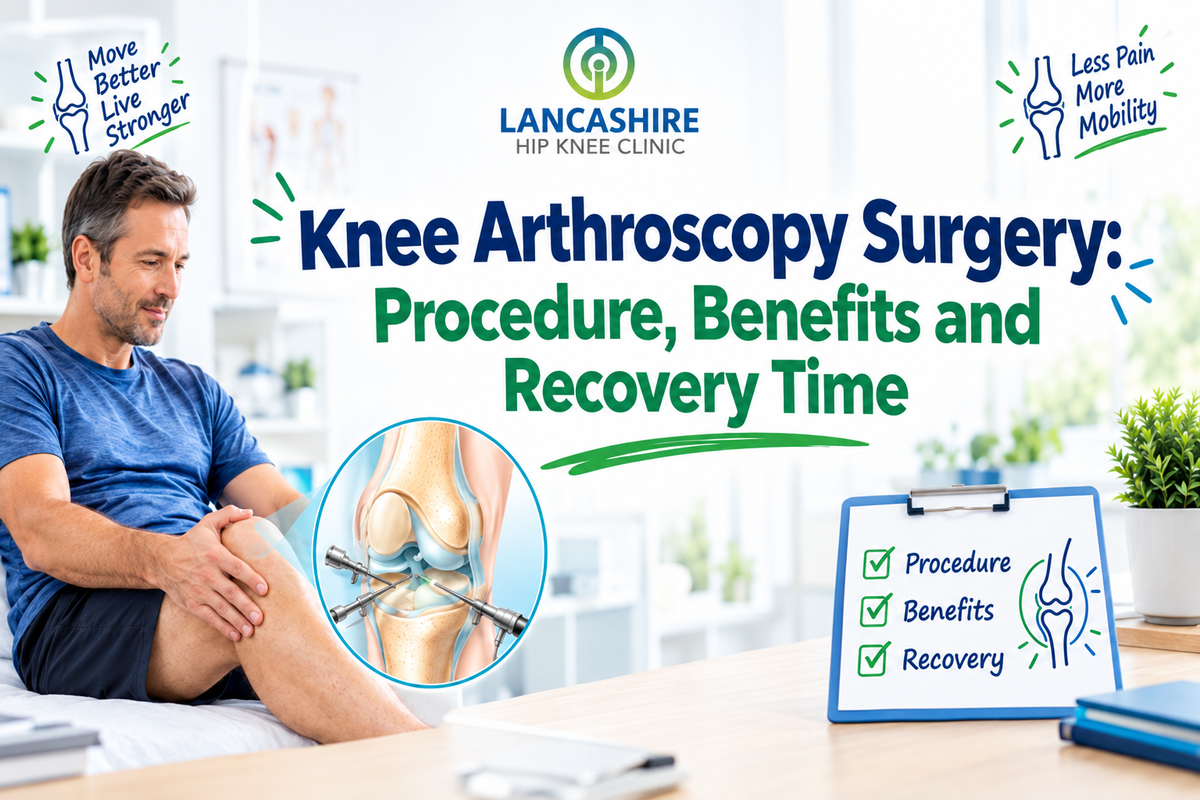
Knee Arthroscopic Surgery is a modern surgical technique used to look inside the knee joint and treat problems without making large cuts. Instead, the surgeon makes a few very small incisions and inserts a tiny camera.

This camera sends live images to a screen, allowing the surgeon to see exactly what is happening inside the knee. Using small tools, they can repair damage, remove loose fragments, or clean the joint.

Because this is a minimally invasive approach, it is often referred to as Knee & Joint Arthroscopic Surgery. It is designed to reduce pain, speed up recovery, and help patients return to normal life sooner.


Why Might You Need Arthroscopic Knee Surgery?

This type of surgery is usually recommended when other treatments have not worked well enough. Many people try rest, physiotherapy, or even types of joint injections before considering surgery.

However, if the pain continues or the knee feels unstable, arthroscopy may be the next step. It is commonly used to treat issues such as cartilage tears, ligament damage, or swelling inside the joint.

It can also play an important role in diagnosing problems after a previous knee operation. For example, if someone is experiencing knee replacement failure symptoms or instability after knee replacement, arthroscopy can help identify the cause before moving towards revision on knee replacement.


How Is It Different from Knee Replacement?

It’s quite common to confuse Knee Arthroscopic procedures with knee replacement surgery, but they serve very different purposes.

Arthroscopy focuses on repairing or improving the existing joint. It is usually suitable for less severe damage and earlier stages of knee problems.

Knee replacement, on the other hand, involves replacing part or all of the joint with an artificial one. This includes procedures such as partial knee replacement and total knee replacement. If a previous replacement does not work as expected, a second knee replacement on the same knee or revision knee replacement may be required.

Understanding this difference helps patients feel more confident about their treatment plan.


What Happens During the Procedure?

Most Knee Arthroscopic procedures are carried out as day surgery, meaning you can go home on the same day.

Once the anaesthetic has taken effect, the surgeon makes small incisions around the knee. The arthroscope is inserted, and the joint is carefully examined. If any issues are found, they are treated using specialised instruments.

The entire process is usually completed within an hour, and because the cuts are small, the body can begin healing quite quickly.


Recovery: What Can You Expect?

Recovery from Knee Arthroscopic Surgery is generally much easier compared to more complex operations.

You may experience some swelling and mild discomfort for a few days, which is completely normal. Most patients are able to walk shortly after the procedure, although full recovery depends on the condition that was treated.

Physiotherapy often plays a key role in helping you regain strength and movement. When compared to revision knee replacement recovery, the difference is significant, as arthroscopy places far less strain on the body.


When Arthroscopy Is Not Enough

While Knee Arthroscopic treatment is effective for many conditions, it is not suitable for everyone.

If the knee joint is severely damaged, worn out, or affected by advanced arthritis, a more comprehensive solution may be needed. This is where procedures like revision knee replacement surgery or second knee replacement surgery come into the picture.

Patients who develop scar tissue after knee replacement, ongoing pain, or partial knee replacement failure symptoms may require further intervention. In such cases, a knee replacement revision specialist or orthopaedic revision specialist will assess the condition and recommend the best course of action.


Signs You Should Not Ignore

Your body often gives clear signals when something isn’t right. If knee pain continues despite treatment, it’s important not to ignore it.

Ongoing discomfort, swelling, or a feeling that the knee may give way can indicate deeper issues. These symptoms are sometimes linked to instability after knee replacement or early signs of joint failure.

Getting the right diagnosis early can help avoid more serious complications and guide you towards the right treatment, whether that is arthroscopy or something more advanced.


Scarring and Long-Term Effects

One of the advantages of Knee Arthroscopic Surgery is minimal scarring. The small incisions usually heal well and leave only faint marks.

This is quite different from procedures like partial knee replacement, where a partial knee replacement scar is more visible. However, even with small incisions, some patients may develop internal scar tissue, which can lead to stiffness if not managed properly.

Following your rehabilitation plan carefully can help reduce this risk.


Choosing the Right Specialist Matters

When it comes to knee surgery, experience makes a real difference.

Many people search online for phrases like best total knee replacement surgeons near me or knee replacement surgery doctors near me. While this is a helpful starting point, it’s important to choose a specialist with a strong track record.

At Lancashire Hip & Knee Clinic, patients benefit from expert care led by Orthopaedic Surgeon Prof. Kuntal Patel. With extensive experience in both Knee Arthroscopic and complex procedures such as total knee replacement revision protocol, patients receive honest advice and personalised treatment plans.

Whether you are in Blackburn, Blackpool, or Lancaster, having access to the right specialist can make your journey much smoother.


Are There Alternatives to Surgery?

Surgery is not always the first option, and in many cases, it can be avoided or delayed.

Non-surgical treatments such as physiotherapy, lifestyle adjustments, and different types of joint injections can help manage symptoms effectively. These options are often explored before considering procedures like revision knee replacement.

However, if the condition continues to affect your quality of life, surgery may provide the most reliable long-term solution.


Final Thoughts

Knee Arthroscopic Surgery is a safe, modern, and effective way to treat many common knee problems. It offers a less invasive option with quicker recovery, making it ideal for patients who want to return to their normal routine as soon as possible.

That said, it is not suitable for every condition. In more complex cases, procedures like revision knee replacement surgery or even a second knee replacement on the same knee may be necessary.

The key is to understand your condition and seek expert advice early. If you are experiencing ongoing knee pain or concerns after a previous procedure, it may be time to take the next step.

Book an appointment with Lancashire Hip & Knee Clinic to receive expert guidance and explore the best treatment options for your needs.


FAQs

1) What is Knee Arthroscopic Surgery used for?

It is used to diagnose and treat problems inside the knee joint, such as cartilage damage or ligament injuries.

2) Is Knee Arthroscopic Surgery painful?

The procedure itself is not painful due to anaesthesia. Some mild discomfort after surgery is normal.

3) How long does recovery take?

Most people recover within a few weeks, depending on the condition treated.

4) Can it help after a failed knee replacement?

It can help diagnose the issue, but further treatment like revision knee replacement surgery may be needed.

5) What are knee replacement failure symptoms?

Common signs include pain, swelling, stiffness, and instability in the knee.

6) Will I have a scar?

Scars are very small and usually fade over time.

7) When is a second knee replacement needed?

It may be required if the first replacement fails or causes ongoing problems.

8) Are there alternatives to revision surgery?

Yes, options like physiotherapy and joint injections may help in some cases.


14-Things-You-Need-to-Know-About-Having-Knee-Replacement-Surgery-1.webp
16/Apr/2026

14 Things You Need to Know About Having Knee Replacement Surgery

Knee pain can slowly take over your daily life. At first, it may feel like a small discomfort. But over time, things like walking, climbing stairs, or even standing for a few minutes can become difficult. Many people ignore early signs such as a knee swelled up, swelling on side of knee, or pain on side of knee with no swelling. However, these can be signals that something more serious is happening inside the joint.

Lancashire Hip Knee Clinic, patients across Blackburn, Blackpool, and Lancaster receive expert care from Prof. Kuntal Patel. If you are thinking about a knee replacement surgery, here are 14 important things you should know before making a decision.


1. What is Knee Replacement Surgery?

A knee replacement surgery, also known as a knee replacement operation or surgical knee replacement, is a procedure where a damaged knee joint is replaced with an artificial joint. It is usually recommended when the natural joint is too worn out to function properly.

2. Why Do People Need Knee Replacement?

Many people need knee surgery due to long-term problems like arthritis or injury. If your knee swelled up and hurts regularly or you notice inflammation in knee joint, it may be time to consider treatment. In some cases, a swollen knee after fall or repeated injuries can lead to permanent damage.

3. Early Signs You Should Not Ignore

The body often gives warning signs before serious damage occurs. These can include knee swelling behind the knee, puffiness behind knee, or a feeling of stiffness. Even pain without swelling, such as pain on side of knee no swelling, can be a sign of joint issues that need attention.

4. Types of Knee Replacement Procedures

Not all knee replacements are the same. Total knee replacement surgery replaces the entire joint and is the most common option. However, if only one part of the knee is damaged, a partial knee replacement may be recommended. This is also known as partial uni knee replacement or half knee replacement.

5. What is Partial Knee Replacement?

A partial knee replacement surgery focuses only on the damaged section of the knee. The partial knee replacement procedure is less invasive compared to a full replacement and helps preserve healthy bone and tissue. Many patients prefer this option when suitable.

6. Benefits of Partial Knee Surgery

One of the main advantages of partial knee surgery is quicker recovery. Since the surgery is less extensive, patients often experience less pain and regain movement faster. The partial knee replacement operation also involves smaller cuts, which means reduced scarring.

7. Common Causes of Knee Joint Problems

Understanding the causes of knee joint swelling can help prevent further damage. Problems can develop due to ageing, arthritis, injury, or even minor accidents. Knee swelling after fall or swollen knee after fall should never be ignored, as they can worsen over time.

8. What is Arthro Knee Surgery?

Arthro knee surgery, also called arthroscopy, is a minimally invasive procedure used to diagnose and treat minor knee issues. It is often used before considering a full knee replacement. The recovery time after knee arthroscopy is usually much shorter.

9. Advances in Knee Replacement

There have been many advances in knee replacement in recent years. Modern techniques focus on precision, smaller incisions, and faster healing. These improvements make knee replacement surgery safer and more effective than ever before.

10. Recovery Time After Knee Surgery

Recovery varies from person to person. After a total knee replacement surgery, it may take several weeks to return to normal activities. In comparison, partial knee replacement surgery usually has a shorter recovery period. Following physiotherapy advice is very important for good results.

11. Life After Knee Replacement

Most patients experience a significant improvement after surgery. Pain reduces, movement becomes easier, and daily activities feel more comfortable. Whether you had a full or half knee replacement, proper care after surgery helps maintain long-term success.

12. Knee Replacement Charges in the UK

The knee replacement charges in the UK depend on several factors, including the type of procedure and the hospital. Private clinics may offer faster treatment options and personalised care, which many patients prefer.

13. Choosing the Right Surgeon Matters

Selecting experienced partial knee replacement surgeons is very important for a successful outcome. At lancashirehipkneeclinic, patients are treated by Prof. Kuntal Patel, who has extensive experience in both partial and total knee replacement procedures.

14. When Should You Book an Appointment?

If you are dealing with ongoing knee pain, swelling, or reduced mobility, it is best to book an appointment early. Whether it is swelling behind the knee joint, puffy knees causes concern, or constant discomfort, early diagnosis can prevent further damage and improve treatment options.


Conclusion

Living with knee pain is not easy. From simple swelling on side of knee to severe joint damage, these problems can affect your quality of life. The good news is that modern knee replacement surgery offers a reliable and long-term solution.

With expert care from Prof. Kuntal Patel at Lancashire Hip Knee Clinic, patients across Blackburn, Blackpool, and Lancaster can feel confident about their treatment journey. If your knee swelled up and hurts or you are struggling with ongoing discomfort, taking action now can make a big difference in your future health.


Frequently Asked Questions

1) What is knee replacement surgery?

Knee replacement surgery is a procedure where a damaged knee joint is replaced with an artificial one. It helps reduce pain and improve movement when other treatments do not work.

2) When should I consider a knee replacement operation?

You should consider a knee replacement operation if you have constant pain, difficulty walking, or a knee swelled up and hurts regularly, even after medication or therapy.

3) What is the difference between total and partial knee replacement?

Total knee replacement surgery replaces the whole joint, while partial knee replacement only replaces the damaged part. Partial procedures are usually less invasive and have faster recovery.

4) How long is the recovery time after knee surgery?

Recovery time depends on the type of surgery. Partial knee replacement surgery usually takes a few weeks, while total knee replacement surgery may take a few months for full recovery.

5) What causes knee swelling before surgery?

Common causes include arthritis, injury, inflammation in the knee joint, or a swollen knee after fall. These conditions can worsen over time if not treated.

6) Is pain without swelling a serious issue?

Yes, pain on side of knee with no swelling can still indicate joint damage or cartilage problems. It is important to get it checked early.

7) What is arthro knee surgery?

Arthro knee surgery, also known as arthroscopy, is a minimally invasive procedure used to treat minor knee issues. It also has a shorter recovery time after knee arthroscopy.

8) How much does knee replacement cost in the UK?

Knee replacement charges vary depending on the hospital, surgeon, and type of surgery. Private treatment may cost more but offers quicker access and personalised care.

9) How do I choose the right knee surgeon?

It is important to choose experienced partial knee replacement surgeons. At lancashirehipkneeclinic, patients are treated by Prof. Kuntal Patel, who specialises in advanced knee procedures.

10) When should I book an appointment?

You should book an appointment if you have ongoing knee pain, swelling behind the knee joint, or difficulty moving. Early treatment can prevent the condition from getting worse.


Hip-replacements-Everything-you-need-to-know-1.webp
11/Apr/2026

Hip Replacements – Everything You Need to Know

Living with ongoing hip pain can slowly take over your daily life. At first, it may just feel like a small discomfort, but over time it can make simple things like walking, sitting, or even sleeping quite difficult. Many people across the United Kingdom try to manage the pain for as long as possible, but when it starts affecting independence and quality of life, it becomes important to look at long-term solutions. A hip replacement is one of the most effective treatments available today, helping people move more freely and live without constant pain. At Lancashire Hip & Knee Clinic, patients from Blackburn, Blackpool, and Lancaster often come in looking for clear advice and reliable treatment so they can get back to living normally again.


What is a Hip Replacement?

A hip replacement is a surgical procedure where a damaged hip joint is replaced with an artificial one, often called a hip prosthesis. The hip joint works like a smooth ball and socket, allowing your leg to move freely in different directions. However, when this joint becomes worn out due to arthritis, injury, or natural ageing, the movement becomes painful and restricted. A hip operation removes the damaged parts and replaces them with carefully designed artificial components that allow smooth and pain-free movement again. This treatment is usually recommended when other options like medication, exercise, or physiotherapy are no longer giving enough relief, and daily life starts becoming a struggle.


When Do You Need a Hip Operation?

It can be difficult to decide when the right time for a hip replacement is, especially if you have been living with pain for a long time. Many people delay surgery, hoping the condition will improve, but in most cases, it gradually gets worse. If your hip pain is constant, affecting your sleep, or stopping you from doing normal daily activities, it may be time to consider a hip operation. Stiffness in the hip joint, reduced movement, and difficulty walking or climbing stairs are also common signs. At Lancashire Hip & Knee Clinic, the approach is always patient-focused, meaning your condition is carefully assessed before suggesting any treatment, ensuring you receive the right care at the right time.


Types of Hip Replacement Surgery

Total Hip Replacement

A total hip replacement is the most common type of procedure and involves replacing both the ball and socket of the hip joint. This is usually recommended for patients with severe arthritis or long-term joint damage, as it provides complete pain relief and restores movement effectively.

Partial Hip Replacement

In some cases, only part of the hip joint is damaged. A partial hip replacement focuses on replacing just the affected section, which can be suitable for certain injuries or fractures. It is generally less complex than a full replacement and may allow a quicker recovery.

Hip Prosthesis Revision

Over time, an artificial hip joint can wear out or develop issues, especially after many years of use. When this happens, a second surgery known as a hip prosthesis revision may be needed. This procedure replaces or repairs the existing implant and is usually handled by highly experienced hip surgeons to ensure the best results.


The Hip Replacement Procedure

A hip operation is usually carried out under anaesthesia and typically takes a few hours. During the surgery, the damaged parts of the hip joint are carefully removed and replaced with artificial components designed to function like a natural joint. Modern surgical techniques used across the United Kingdom have made this procedure safer and more precise than ever before. At Lancashire Hip & Knee Clinic, patients from Blackburn, Blackpool, and Lancaster benefit from advanced methods that focus on reducing discomfort and improving recovery time. The goal is always to help patients return to their normal routine as smoothly as possible.


Recovery After Hip Replacement

Recovery is a key part of the overall success of a hip replacement. Most patients are encouraged to begin gentle movement within a day or two after surgery, often starting with short walks using support. This early activity helps improve circulation and supports healing. Physiotherapy is an essential part of the process, helping to rebuild strength around the hip joint and improve flexibility over time. As the weeks go by, patients usually notice a steady improvement in their movement and comfort levels. By following medical advice and staying consistent with exercises, many people are able to return to their normal daily activities within a few months.


Swelling After Hip Replacement – What You Should Know

It is quite common to experience swelling after hip replacement, and in most cases, it is nothing to worry about. This is a natural response from the body as it heals after surgery. You may notice swelling around the hip, as well as hip replacement foot swelling or even feet swelling after hip replacement, particularly after standing or walking for longer periods. Swelling after hip operation can sometimes feel uncomfortable, but it usually improves gradually over a few weeks. Simple steps like keeping your leg elevated, applying ice packs, and staying gently active can help manage it. However, if swelling following hip replacement becomes severe, painful, or does not improve, it is always best to seek medical advice for reassurance.


Risks and Complications

Like any surgery, a hip replacement does come with some risks, but serious complications are quite rare, especially when performed by experienced professionals. Some patients may experience minor issues such as stiffness, swelling, or temporary discomfort during recovery. More serious risks, such as infection or blood clots, are uncommon and can usually be prevented with proper care and monitoring. At Lancashire Hip & Knee Clinic, patient safety is always a priority, and every step is taken to minimise risks and ensure a smooth experience from start to finish.


Hip Replacement Success Rate

The hip replacement success rate in the United Kingdom is very high, which is why it is considered one of the most reliable and effective procedures available. Most patients experience a significant reduction in pain along with improved movement and overall comfort. A well-performed hip operation can last for many years, often 15 to 20 years or more, depending on individual factors such as lifestyle and general health. With proper care and regular follow-ups, many patients continue to enjoy the benefits of their new hip joint for a long time.


Life After Hip Replacement

After recovery, many people find that life feels much easier and more enjoyable. Activities that were once difficult, such as walking, climbing stairs, or even getting out of a chair, become much more manageable. The constant pain that once affected daily life is greatly reduced or completely gone. While it is important to avoid high-impact activities, most patients are able to stay active and maintain a healthy lifestyle. Regular check-ups help ensure that the hip joint continues to function well, giving you confidence in your movement.


Choosing the Right Hip Surgeons

Choosing the right hip surgeons can make a significant difference not only to the outcome of your surgery, but also to your overall experience from start to finish. It is not just about the procedure itself, but about the level of care, clear communication, and ongoing support you receive before, during, and after your treatment. Many patients across the United Kingdom often feel unsure about where to begin, which is why having a trusted and experienced specialist by your side becomes so important.

At Lancashire Hip & Knee Clinic, you will be under the expert care of Orthopaedic Surgeon Prof. Kuntal Patel, who is widely recognised for his patient-first approach and consistent results. Patients from Blackburn, Blackpool, Lancaster, and surrounding areas trust his expertise for honest advice, personalised treatment plans, and a smooth recovery journey. Every step of your treatment is carefully planned to ensure you feel comfortable, informed, and confident in your decision.

With the right team supporting you at every stage, you can feel reassured that you are in safe hands and moving towards a successful and pain-free future. If you have been living with ongoing hip pain or are considering a hip replacement, taking the first step can make all the difference. You can book an appointment and speak directly with a specialist on 0800 699 0633, where you will receive clear guidance and answers to help you choose the best treatment option for your condition.


Conclusion

A hip replacement is more than just a treatment; it is a step towards getting your life back. If you have been living with ongoing hip pain and it is starting to affect your daily routine, it may be the right time to explore your options. With modern techniques, experienced hip surgeons, and the right support from Lancashire Hip & Knee Clinic, you can expect a smoother journey and a better quality of life. Taking that first step towards consultation could make a real difference to your future.


Frequently Asked Questions

1) What is the recovery time for a hip replacement?

Hip replacement recovery typically takes 6 to 12 weeks for returning to daily activities, with full healing lasting 6 to 12 months. Most patients walk within 24 hours, go home in 1–3 days, and can resume driving or desk work by 4-6 weeks, provided they follow physical therapy to build strength. 

2) What are the three rules after hip replacement?

Don’t bring your knee up higher than your hip. Don’t lean forward while sitting or as you sit down. Don’t try to pick up something on the floor while you are sitting.

3) Are you ever the same after a hip replacement?

By the one-year mark, most people are walking comfortably and without thinking much about their hip. You may still feel mild stiffness in the mornings or after long periods of sitting, but it is usually manageable. 

4) How painful is hip replacement?

Hip replacement surgery involves moderate pain that is usually well-managed, with discomfort shifting from sharp, arthritic pain to manageable surgical soreness. While discomfort is highest in the first few days to weeks, it often decreases significantly within one to three months as the joint heals.

5) What can you never do again after a hip replacement?

After a hip replacement, you must permanently avoid high-impact activities like running and skydiving, and avoid specific movements that cause dislocation-specifically bending the hip past 90 degrees, crossing legs, or twisting the leg inward. For long-term joint health, avoid sitting in low, soft chairs, lifting heavy objects, and high-impact sports.

6) What is the hardest part of hip replacement recovery?

It’s likely the most difficult part of your recovery will be the first few days after surgery. The area around the hip will be swollen and inflamed and may cause you some discomfort.

7) What is the typical age for hip replacement?

Hip replacements are most common in patients aged 60-80, but there is no specific age limit, with procedures often performed on individuals from their 40s to over 90 based on pain and functional limitation rather than age. While younger patients (40s-50s) can have the surgery, they face a higher risk of needing revision surgery later in life because implants typically last 15-25 years.

8) What is the most common complication after hip replacement?

The most frequent medical complication after hip replacement is blood clots. We take steps to prevent blood clots during and after hospitalization. If they do occur, they require treatment.

9) What is the most common complication after hip replacement?

The most frequent medical complication after hip replacement is blood clots. We take steps to prevent blood clots during and after hospitalization. If they do occur, they require treatment.


Types-of-joint-injections.webp
18/Jul/2025

Types of joint injections


Unfortunately, lots of patients suffer from painful joints. Pain in weight bearing joints like hips and knees is extremely common and may prove to be quite debilitating.

Joint pain often necessitates the need for clinical assessment and imaging studies (X-rays and/or MRI scans). Arthritis (wear and tear) of these joints is the commonest cause of joint pain. Other reasons for joint pain include inflammatory conditions, previous injury, ligament/tendon inflammation, etc.

Initial management of most of these conditions includes pain management, activity modification and exercises. If these fail to give any substantial benefit, joint injections have a role to play. Book an appointment at our clinic if you want to take any joint injections.

Joint injection has a role in a variety of situations including

  • Mild to moderate arthritis
  • Severe arthritis in young patient
  • To delay the need for any major surgical intervention
  • For short term benefit for important life events
  • For early recovery following sports injuries

Different types of injection therapies are available and their use is tailored based on the clinical indication. These include:

  • Corticosteroid injection – These injections help to reduce inflammation and provide pain relief.  They are commonly used for arthritis.
  • Visco-supplementation injection (lubricant injection to replenish the joint fluid) – These injections generally help with joint lubrication, joint movement and reduce pain.
  • PRP injection (Platelet rich plasma injection) – PRP injections use the patient’s own blood platelets to promote heading and reduce inflammation.
  • Hydrogel (Arthrosamid injection – for long lasting pain relief) – This type of injection helps as a cushion and lubricant within the joint and thereby helps with pain relief.

Indications for the different types of injections vary and I generally help patient decide, which is likely to be most useful based on individual requirements.

Ready to take the next step toward better joint health? Book an appointment with Dr. Kuntal Patel today.


Frequently Asked Questions

1. What is the most common joint injection?

Corticosteroid injections are the most common joint injections. They are often used to relieve inflammation and pain in joints affected by arthritis, especially in knees, shoulders, hips, and smaller joints.

2. Which injection is used for joint pain?

Steroid (corticosteroid) injections are widely used to treat joint pain. They reduce inflammation and provide temporary relief for conditions like osteoarthritis, rheumatoid arthritis, or bursitis. Relief may last weeks to months.

3. What is the best anti-inflammatory injection?

Corticosteroid injections are considered the best anti-inflammatory option for joint issues. They quickly reduce inflammation and pain in affected joints, offering relief from conditions like arthritis, tendonitis, and bursitis.

4. What is best for joint pain?

Treatment depends on the cause, but a combination of physical therapy, NSAIDs, corticosteroid injections, and lifestyle changes is effective. For severe pain, injections or surgery may be considered after medical evaluation.


Read More Blogs

Advances in Knee Replacement

Advances in Hip Replacement

Return to sports after ACL reconstruction surgery

Recovery Time After Knee Arthroscopy

Driving After Joint Replacement


Advances-in-Knee-Replacement.webp
08/Jul/2025

Advances in Knee Replacement

Total knee replacement is generally a very successful operation. Approximately 3.6 million knee replacements are carried out annually worldwide! Modern-day knee replacement surgery has transformed the lives of millions of people around the world.

Total knee replacement is typically performed for patients with arthritis of the knee.  It can also be performed for patients with knee injury,  post-traumatic arthritis, inflammatory conditions, etc.

Knee replacement surgery has seen significant advances over the years, improving patient outcomes and recovery times. Here are some key developments:

  • Minimally Invasive Techniques: Surgeons now use smaller incisions and advanced surgical techniques to reduce tissue damage and speed up recovery. This approach often results in less pain and shorter hospital stays. I routinely use this in my practice and find that the post-operative recovery is much less painful with reasonably quick return to normal life.
  • Improved Prosthesis: Modern knee implants are made from durable materials like highly engineered metal alloys, which offer better wear resistance and longevity. These materials help reduce the risk of implant failure and the need for revision surgery. The polyethylene bearing has also seen significant improvement in technology due to cross linking and gamma irradiation, improving the longevity.  Data from joint registries around the world show that the average survivorship of knee replacement is now in excess of 18-20 years.
  • Robotic-Assisted Surgery: The use of robotic systems in knee replacement surgery allows for greater precision in implant placement. This technology helps surgeons achieve optimal alignment and positioning, leading to better functional outcomes.
  • Enhanced Rehabilitation Protocols: Advances in rehabilitation techniques and protocols have improved post-surgery recovery. Patients now benefit from tailored exercise programs and physical therapy that promote faster healing and return to normal activities.  In my practice, patients are encouraged to mobilize full weight bearing on the day of the surgery and are generally able to walk with walking aids as well as manage stairs from the next day.
  • Pain Management: New pain management strategies, including regional anaesthesia and multimodal pain relief, have significantly reduced post-operative pain and discomfort. This allows patients to mobilize sooner and participate in rehabilitation activities.

These advancements have contributed to better overall outcomes for knee replacement patients, making the procedure safer and more effective. In my practice, the overall success rate following total knee replacement using modern techniques is more than 95%.

Concerned about your hip or knee? Schedule a consultation with Dr. Kuntal Patel at the Lancashire Hip & Knee Clinic.


Frequently Asked Questions

1. What type of knee replacement is most successful?
Cemented total knee replacement is the most commonly used and successful type, offering strong fixation, excellent outcomes, and durability for most patients across various age groups and activity levels.
Book an appointment with Lancashire Hip and Knee Clinic and forget about your knee pain.

2. Are there any advances in knee replacement surgery?
Yes, recent advances include robotic-assisted surgery, patient-specific implants, minimally invasive techniques, and improved biomaterials that enhance precision, reduce recovery time, and increase implant longevity.

3. What is the lifespan of a knee replacement?
Most modern knee replacements last 15 to 20 years or more, depending on factors like activity level, weight, and implant type, with many patients enjoying long-term pain relief and mobility.

4. What is a smart knee replacement?
A smart knee replacement includes a sensor-enabled implant that collects data on motion, load, and activity, helping doctors monitor recovery and optimize outcomes through real-time insights.

5. What age is best for total knee replacement?
The ideal age for total knee replacement is typically between 60 and 70 years, balancing the need for pain relief with implant longevity and minimizing the chance of requiring revision surgery later.


Read More Blogs

Types of joint injections

Advances in Hip Replacement

Return to sports after ACL reconstruction surgery

Recovery Time After Knee Arthroscopy

Driving After Joint Replacement


Advances-in-Hip-Replacement.webp
17/Jun/2025


Advances in Hip Replacement

Total hip replacement is one of the most successful operations in the history of medicine.  Modern day hip replacement surgery has been able to transform the lives of millions of people around the world.

Total hip replacement is typically performed for patients with arthritis of the hip.  It can also be performed for patients with hip injury, inflammatory conditions, etc.

Hip replacement surgery has seen significant advancements over the years, improving outcomes and recovery times for patients. Here are some key developments:

  • Minimally Invasive Techniques: Surgeons now use smaller incisions and advanced surgical techniques to reduce tissue damage and speed up recovery. This approach often results in less pain and shorter hospital stays. I routinely use this in my practice and find that the post-operative recovery is much less painful with reasonably quick return to normal life.
  • Improved Prosthesis: Modern hip implants are made from durable materials like ceramic and metal alloys, which offer better wear resistance and longevity. These materials help reduce the risk of implant failure and the need for revision surgery. Data from joint registries around the world show that the average survivorship of hip replacement is now in excess of 20 years.
  • Robotic-Assisted Surgery: The use of robotic systems in hip replacement surgery allows for greater precision in implant placement. This technology helps surgeons achieve optimal alignment and positioning, leading to better functional outcomes.
  • Enhanced Rehabilitation Protocols: Advances in rehabilitation techniques and protocols have improved post-surgery recovery. Patients now benefit from tailored exercise programs and physical therapy that promote faster healing and return to normal activities.  In my practice, patients are encouraged to mobilize full weight bearing on the day of the surgery and are generally able to walk with walking aids as well as manage stairs from the next day.
  • Pain Management: New pain management strategies, including regional anesthesia and multimodal pain relief, have significantly reduced post-operative pain and discomfort. This allows patients to mobilize sooner and participate in rehabilitation activities.

These advancements have contributed to better overall outcomes for hip replacement patients, making the procedure safer and more effective. In my practice, the overall success rate following total hip replacement using modern techniques is more than 95%.

Your recovery starts with the right diagnosisBook a Consultation with Dr. Kuntal Patel at Lancashire Hip & Knee Clinic.


Frequently Asked Questions

1. What is the maximum age for hip replacement?

There is no strict maximum age for hip replacement. Candidates are assessed based on overall health, mobility, and pain levels rather than age. Even patients in their 80s or 90s can benefit if medically fit. If you are someone facing any hip related issues, book an appointment at Lancashire Hip and Knee Clinic and get relief from your pain.

2. Which type of hip replacement is best?

The best type depends on age, activity level, and bone health. Ceramic-on-polyethylene is widely preferred for its durability and lower wear. Surgeons choose based on individual needs and long-term outcomes.

3. Who cannot have hip replacement surgery?

People with severe infections, poor overall health, or serious uncontrolled medical conditions may not be suitable. Also, individuals who cannot follow post-surgery rehabilitation may not be ideal candidates for the procedure.

4. What is the fastest way to recover from a hip replacement?

Early mobilization, physiotherapy, a healthy diet, and following all post-operative instructions speed up recovery. Avoiding high-impact activities and maintaining a positive mindset also promote faster healing and return to daily routines.


Read More Blogs

Types of joint injections

Advances in Knee Replacement

Return to sports after ACL reconstruction surgery

Recovery Time After Knee Arthroscopy

Driving After Joint Replacement


Return-to-Sports-After-ACL-Reconstruction-Surgery.webp
05/Jun/2025


Return to sports after ACL reconstruction surgery

This is an important topic for athletes and active individuals who have undergone ACL reconstruction surgery.

Returning to sports after ACL reconstruction surgery involves several stages, including rehabilitation, strength training, and gradual reintroduction to sports-specific activities. The timeline for returning to sports can vary depending on the individual’s progress and the type of sport they are returning to.

Generally, in my practice, provided that the recovery is as expected, I allow my patients to return to swimming and golf at around 6-8 weeks, running and cycling at around 3 months, racquet sports and cricket at around 4-6 months and contact sports (like football, rugby) at around 6 months.

General Rehabilitation Stages:

Immediate Post-Surgery Phase:

  • Focus on reducing swelling and pain.
  • Begin gentle range-of-motion exercises.
  • Use of crutches and brace as needed.

Early Rehabilitation Phase:

  • Gradual increase in range-of-motion exercises.
  • Start strengthening exercises for the quadriceps and hamstrings.
  • Begin weight-bearing activities as tolerated.

Intermediate Rehabilitation Phase:

  • Continue strengthening exercises with increased intensity.
  • Incorporate balance and proprioception exercises.
  • Start low-impact cardiovascular exercises like cycling or swimming.

Advanced Rehabilitation Phase:

  • Focus on sport-specific drills and exercises.
  • Increase intensity and duration of strength and conditioning workouts.
  • Gradual reintroduction to running and agility drills.

Return to Sport Phase:

  • Full participation in sport-specific activities.
  • Ensure proper technique and movement patterns.
  • Monitor for any signs of discomfort or instability.

any issues with your ACL reconstruction surgery, reach out to us and let us help you with your issues.

Get back to doing what you love. Book your Appointment with Dr. Kuntal Patel today.


Frequently Asked Questions

1. How long after ACL surgery can I return to sports?
Most patients who undergo a cruciate ligament reconstruction eventually return to their sport between 6–12 months post-surgery, depending on how well they progress through rehabilitation, and their knee strength and stability. It is vital to obtain clearance from our specialist at
Lancashire Hip & Knee Clinic before returning to high-impact activities.

2. What percentage of ACL reconstruction patients return to sport?
According to studies, approximately 65–80% of ACl reconstruction patients returned to some level of sport and approximately 55% returned to competitive sports. The success rates are influenced by the rehab process, mental readiness of the participants and sport-specific demands.

3. What’s the criteria for an ACL patient to return back to sport?
Return-to-sport guidelines require restored knee strength and stability, less swelling, full range of motion, passing functional tests, and mental readiness. A health care professional needs to clear them before returning to minimize the risk of reinjury.

4. What is the shortest ACL recovery time?
The smallest amount of recovery time will normally be around 6 months; however this is rare. Most athletes 9-12 months of full recovery time. If you return too early to sport, there is a significantly higher chance of reinjury.

5. Does ACL ever fully recover?
If there is proper surgery and rehabilitation, many ACL patients achieve full function. Others may have long-term functional limitations due to stiffness or instability, and the risk of osteoarthritis is increased. Full recovery varies by individual factors and post-operative management.

6. Which sport has more ACL injuries?
Sports that involve quick stops, jumps, direction change and pivoting, including soccer, basketball, and football-associated many of the highest ACL injury rates. Female athletes have been reported to be at the highest risk because of biomechanical and hormonal considerations influencing dynamic measures of landing and cutting.


Read More Blogs

Types of joint injections

Advances in Knee Replacement

Advances in Hip Replacement

Recovery Time After Knee Arthroscopy

Driving After Joint Replacement


Recovery-Time-After-Knee-Arthroscopy.webp
23/May/2025

Recovery Time After Knee Arthroscopy

Knee arthroscopy is a common surgical procedure used to diagnose and treat problems in the knee joint. The recovery time after knee arthroscopy can vary depending on the individual and the specific procedure performed. This procedure is typically performed on a day case basis, which means you are allowed to go home the same day.

In most cases, you are allowed to fully weight bear soon after the surgery.  Some patients may need some walking aids for up to few days.

Generally, most patients can expect to return to their normal activities within a few days.  If you needed to use walking aids, you should be able to wean off these within a week or two in most cases. Most patients can return to driving and normal walking within a week or so.  

In the first few days after surgery, it is important to rest and keep the knee elevated to reduce swelling. Ice packs and pain medication can help manage discomfort. Physiotherapy is often recommended to help restore strength and mobility in the knee. Most patients can begin light activities, such as walking, within a week or so, but more strenuous activities, such as running or sports, may take few weeks to resume.

It’s important to follow your doctor’s specific instructions and attend all follow-up appointments to ensure a smooth recovery. If you have any concerns or experience unusual symptoms, be sure to book an appointment with your orthopedic specialist and get treated as soon as possible.

Ready to take the next step toward better joint health? Book an appointment with Dr. Kuntal Patel today.


Frequently Asked Questions

1. How long after a knee arthroscopy can I walk?
Most patients can begin walking with assistance within 1–2 days after knee arthroscopy. Full weight-bearing might be possible in a few days, depending on the procedure. Always follow your surgeon’s advice regarding mobility, as recovery time can vary based on the individual and the surgery performed.

2. What is the recovery time for arthroscopic knee repair?
Recovery from arthroscopic knee repair typically takes 4–6 weeks. Minor procedures may heal faster, while more complex repairs like meniscus or ligament treatment could require up to 12 weeks or longer. Physical therapy and adherence to post-op care are crucial for optimal recovery and knee function.

3. How much time off work for knee arthroscopy?
Time off work after knee arthroscopy depends on your job type. Desk workers may return within a week, while those in physically demanding jobs may need 2–6 weeks or more. Your doctor will guide you based on the procedure’s complexity and your physical activity requirements at work.

4. What is the longest knee surgery recovery time?
The longest recovery time is usually after a total knee replacement, which can take up to 6–12 months for full healing and function. Complex surgeries involving multiple structures or revisions can extend recovery even further, especially when complications or underlying health conditions are present.

5. How many days rest is required after knee surgery?
Initial rest for the first 2–3 days is essential after knee surgery, followed by gradual mobility and physical therapy. Light activities usually resume within 1–2 weeks. However, full rest duration varies with the type of surgery, ranging from days to several weeks for more invasive procedures.


Read More Blogs

Types of joint injections

Advances in Knee Replacement

Advances in Hip Replacement

Return to sports after ACL reconstruction surgery

Driving After Joint Replacement