
Hip replacement surgery can make a considerable difference to daily life, helping people walk more comfortably, sleep better and return to activities they enjoy. However, an artificial hip joint does not always last forever. Over time, the implant may wear out, loosen, become damaged or develop complications that require further treatment. In these situations, a procedure known as Revision hip replacement may be recommended.
Understanding the reasons for revision surgery, the available treatment options and the recovery process can help patients make informed decisions. Although revision surgery is often more complex than an initial hip replacement, careful assessment and an individualised treatment plan can help address problems and improve joint function.
What Is Revision Hip Replacement Surgery?
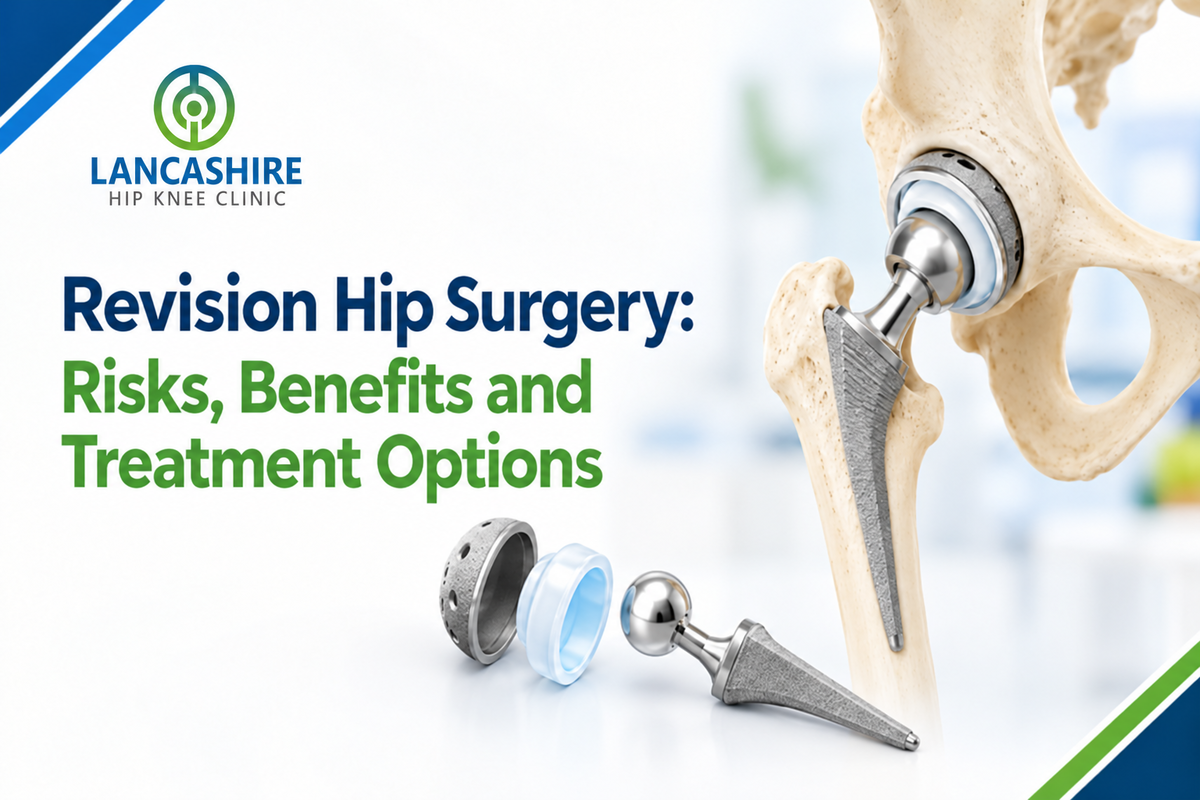
Revision hip replacement is an operation to repair or replace some or all of an existing artificial hip joint. Unlike a primary hip replacement, which replaces a damaged natural joint, revision surgery addresses a problem with an implant that has already been fitted.
The procedure may involve replacing the worn plastic liner, exchanging the implant head or removing and replacing the entire artificial joint. The approach depends on the condition of the implant, the strength of the surrounding bone and the patient’s overall health.
Not every patient requires a complete replacement of their artificial hip. Where the implant remains securely fixed and the surrounding structures are healthy, a smaller procedure may be sufficient. Experienced hip surgeons assess these factors before recommending the most appropriate treatment.
Why Might a Hip Replacement Need Revision?
Several problems can affect an artificial hip joint over time. Identifying the underlying cause is essential because the treatment must address the problem rather than simply replace the implant.
1. Wear and Tear of the Implant
Artificial joints experience repeated movement and pressure during everyday activities. Over the years, components can wear down, producing particles that may trigger inflammation and bone loss around the implant. This process can eventually cause the joint to loosen.
2. Loosening of the Artificial Joint
An implant may lose its secure attachment to the surrounding bone. Patients might experience increasing pain, discomfort when standing or difficulty walking. Imaging tests can help identify changes in the implant’s position or the surrounding bone.
3. Infection Around the Implant
An infection following hip replacement can develop soon after surgery or, in some cases, much later. Symptoms may include persistent pain, swelling, redness, warmth, fever or fluid leaking from the wound. Some infections cause fewer obvious symptoms and require blood tests or fluid sampling to diagnose.
Treatment may involve antibiotics, surgical cleaning or one-stage or two-stage revision surgery, depending on the infection and the patient’s circumstances.
4. Dislocation or Instability
A replacement hip can sometimes move out of its normal position. Repeated dislocations may indicate problems with implant positioning, muscle function or the surrounding soft tissues. Revision surgery may be considered when other measures cannot adequately control the instability.
5. Fractures or Implant Damage
A fall or other injury can cause a fracture around an artificial hip. In some cases, the implant may also become damaged or lose its stability. Treatment depends on the fracture pattern, bone quality and whether the existing components remain firmly attached.
What Are the Benefits of Revision Hip Surgery?
The benefits depend on the reason for surgery and the patient’s general health. When the underlying problem can be corrected, revision hip replacement may offer several important improvements.
- Reduced pain: Correcting a loose, damaged or unstable implant may relieve discomfort.
- Improved mobility: Treating the cause of restricted movement may make walking and everyday tasks easier.
- Greater joint stability: Appropriate reconstruction can help reduce the risk of further dislocation.
- Management of complications: Surgery may help address implant failure, certain infections and fractures around the joint.
- Better quality of life: Reduced pain and improved function may help patients regain independence and participate more comfortably in daily activities.
It is important to have realistic expectations. Revision surgery does not guarantee complete pain relief or the same outcome as an initial hip replacement. The results depend on factors such as bone quality, the complexity of the procedure and the reason the original implant failed.
What Are the Risks of Hip Replacement Revision Surgery?
Revision procedures are generally more complicated than primary hip replacements because surgeons may need to remove well-fixed components, manage bone loss or reconstruct damaged tissue. Understanding the potential risks helps patients prepare for treatment.
Possible Surgical Complications
Risks include infection, blood clots, bleeding, dislocation, fractures and injury to nearby nerves or blood vessels. Some patients may continue to experience pain or stiffness after surgery.
Other concerns include delayed wound healing, differences in leg length and the possibility that the new implant may loosen or require further surgery in the future.
Patients with significant bone loss or complex implant problems may face a greater risk of complications. Existing medical conditions, smoking and poor nutritional status can also influence surgical risk and recovery.
Before proceeding, the surgeon should explain the individual risks, expected benefits and alternatives. Patients should also discuss their medications, previous operations and any history of infection or blood clots with their healthcare team.
Treatment Options for Revision Hip Replacement
The best treatment depends on the cause of the problem, the condition of the existing implant and the patient’s symptoms. Revision surgery is not always the first step.
Non-Surgical Management
If the implant is stable and symptoms are manageable, a clinician may recommend monitoring, activity adjustments, appropriate pain relief or physiotherapy. These measures may help maintain function, although they cannot correct a severely loose or damaged implant.
Partial Revision Surgery
A partial revision replaces only the affected component or components. For example, the surgeon may exchange a worn liner or implant head while retaining components that remain securely fixed and suitable for continued use.
This option may reduce the amount of reconstruction required, but it is appropriate only when the remaining implant components and surrounding bone meet the necessary clinical criteria.
Complete Revision Hip Replacement
A complete revision involves removing and replacing the main components of the artificial hip. It may be necessary when the implant is extensively worn, loose, damaged or incorrectly positioned, or when other problems require more extensive reconstruction.
Depending on the condition of the joint, the surgeon may use specialised implants, bone grafts or other techniques to restore stability and support.
Revision Surgery for Infection
When infection is present, treatment may involve antibiotics and one-stage or two-stage surgery. In a two-stage approach, the infected implant is removed, the area is treated and a temporary spacer may be inserted before a new implant is fitted at a later operation. The most suitable approach depends on the organism involved, the condition of the soft tissues and other clinical factors.
Preparing for Revision Hip Replacement Surgery
Preparation begins with a detailed assessment of the patient’s symptoms, medical history and previous hip operation. The surgeon may arrange X-rays, blood tests and other investigations to assess the implant and identify potential complications. If infection is suspected, additional tests may be required.
Patients can support their preparation by maintaining a balanced diet, staying active within comfortable limits and following advice about existing medications. It is also helpful to arrange support at home, particularly during the first few weeks after discharge.
A pre-operative consultation is an opportunity to discuss the planned procedure, possible complications, rehabilitation and expected recovery milestones. Patients should feel comfortable asking questions about the surgeon’s experience with revision procedures and the likely outcomes in their individual case.
Hip Replacement Revision Surgery Recovery: What to Expect
Hip replacement revision surgery recovery varies according to the complexity of the operation, the patient’s health and the amount of bone or soft tissue that needs reconstruction.
The First Few Days
Patients are generally encouraged to begin moving with assistance as soon as their clinical team considers it safe. A physiotherapist may introduce gentle exercises and help patients practise standing, walking and using mobility aids.
Pain management, wound care and measures to prevent blood clots are important parts of early recovery. Some patients can return home relatively soon, while others need a longer hospital stay or additional rehabilitation.
The Following Weeks and Months
Recovery continues at home through prescribed exercises, gradual increases in activity and follow-up appointments. Patients may initially need crutches or a walking frame, particularly if the surgeon has restricted how much weight they can place on the operated leg.
Complex revision procedures can take several months to recover from, and some patients require longer. Weight-bearing instructions vary, so patients should follow their surgeon’s guidance rather than compare their progress with someone who has undergone a straightforward primary hip replacement.
Increasing pain, wound discharge, fever, new calf swelling or sudden difficulty bearing weight should be assessed promptly. Chest pain or sudden breathlessness requires emergency medical attention.
Choosing the Right Hip Surgeons
Choosing a specialist with experience in revision procedures is an important part of treatment planning. Revision surgery can involve challenges that differ considerably from an initial hip replacement, particularly when infection, substantial bone loss or repeated dislocation is involved.
Patients should ask about the proposed surgical approach, the reasons for recommending revision, alternative treatments and the expected rehabilitation plan. Understanding these details can help patients make a more informed decision.
If you have persistent hip pain following a previous operation, you can Contact Lancashire Hip Knee Clinic to enquire about an assessment.
Illustrative Client Story: John Anderson
John Anderson is a fictional example created to illustrate the kind of concerns someone may have after a previous hip replacement. After noticing persistent discomfort and increasing difficulty walking, he seeks a specialist assessment rather than assuming that another operation is automatically necessary.
Following a review of his symptoms and medical history, appropriate investigations would help a clinical team assess the implant and identify the likely cause of the problem. Depending on those findings, possible options could include monitoring, physiotherapy and symptom management, or revision hip surgery if the implant problem requires it.
For John, the key lesson is the importance of understanding the cause of ongoing symptoms, discussing the benefits and risks of each treatment option, and following an individualised recovery plan. Every patient’s situation is different, so this illustrative story should not be taken as a real patient testimonial or a prediction of treatment outcomes.
Conclusion
Revision hip surgery can be an important treatment option when an existing hip replacement develops complications or no longer functions as intended. Although the procedure carries additional risks and may involve a longer recovery than an initial hip operation, carefully selected patients can experience meaningful improvements in pain, stability and mobility.
The most appropriate treatment depends on the underlying problem, implant condition and individual health needs. A thorough assessment, realistic expectations and a structured rehabilitation plan can help patients understand their options and make informed decisions about their care.
FAQs
1. How long does a revision hip replacement last?
The lifespan of a revised hip replacement depends on the implant type, bone quality, the reason for the original implant failure and the patient’s activity level. Some revised implants last for many years, although further surgery may eventually be required. Regular follow-up appointments and early assessment of new symptoms can help identify potential problems.
2. Is revision hip replacement more complicated than the first operation?
Yes, revision hip replacement surgery is generally more complex than an initial hip operation because the surgeon may need to remove existing components, manage bone loss or repair damaged tissues. An experienced hip surgeon can assess the risks, explain the available treatment options and recommend an appropriate surgical approach based on the patient’s condition.
3. How long does hip replacement revision surgery recovery take?
Hip replacement revision surgery recovery can take several weeks to several months, depending on the complexity of the procedure and the patient’s overall health. Physiotherapy, appropriate pain management and following weight-bearing instructions are important for recovery. Patients undergoing complex revision hip surgery may need additional rehabilitation and a longer recovery period. For individual guidance, patients can contact Lancashire Hip & Knee Clinic to enquire about an assessment.
4. Can a loose hip replacement be treated without surgery?
In some cases, a loose or painful hip replacement may be monitored if symptoms are mild and the implant remains sufficiently stable. Treatment may include activity modification, appropriate pain relief and physiotherapy. However, significant implant loosening, progressive bone loss or other complications may require revision hip replacement. A specialist assessment is necessary to determine the most suitable treatment.
5. When should I consult hip surgeons about revision hip surgery?
You should seek medical advice if you experience persistent hip pain, increasing difficulty walking, repeated dislocations, new instability or changes in leg length following a previous hip replacement. These symptoms may indicate a problem with the artificial joint, although they do not always mean another operation is necessary. Specialist hip surgeons can investigate the underlying cause and discuss suitable treatment options, including revision hip replacement surgery when appropriate. You can visit Lancashire Hip & Knee Clinic to learn more about specialist hip and knee care.